Ultimate Guide to Digital Marketing
Ultimate Guide to Digital Marketing has become one of the most powerful ways for businesses to connect with customers in the modern world. Whether you run a small startup or an established company, understanding how digital marketing works can help you grow your audience, increase brand visibility, and generate consistent online traffic.
Unlike traditional marketing, digital marketing allows businesses to reach highly targeted audiences through online platforms such as search engines, social media, websites, and email campaigns. When done correctly, it becomes a long-term strategy for sustainable business growth.
This ultimate guide to digital marketing explains the key components, strategies, and best practices businesses can follow to build a strong online presence.

What Is Digital Marketing?
Digital marketing refers to the use of online channels and digital technologies to promote products or services. It includes multiple strategies designed to attract potential customers and convert them into loyal buyers.
Businesses use digital marketing to:
- Increase brand awareness
- Generate website traffic
- Build customer relationships
- Promote products or services
- Improve long-term online visibility
Today, almost every industry depends on digital marketing to compete in the online marketplace.
Search Engine Optimization (SEO)
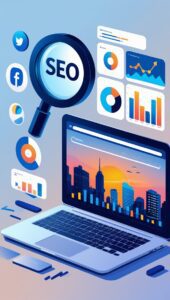
Search Engine Optimization is one of the most important components of digital marketing. SEO helps websites appear in search engine results when users search for relevant topics or products.
SEO focuses on improving website content, structure, and authority so search engines can understand the value of a webpage.
Important SEO factors include:
- Keyword optimization
- High-quality content
- Internal linking
- Page speed optimization
- Mobile-friendly design
For example, businesses that sell fashion products online rely heavily on SEO to attract customers searching for clothing trends. Platforms such as Fashionholic demonstrate how niche-focused content and product pages can attract organic visitors:
https://fashionholic.pk/
Strong SEO helps businesses gain long-term traffic without relying only on advertising.

Content Marketing
Content marketing focuses on creating valuable and informative content that attracts and educates potential customers.
Examples of content marketing include:
- Blog posts
- Educational guides
- Tutorials
- Videos
- Infographics
High-quality content builds trust and positions your brand as an authority in your industry.
Businesses often maintain dedicated blog sections to share insights and helpful resources. For example, companies can use their blog platforms to educate visitors about marketing strategies, industry trends, and product information.
You can explore educational marketing content here:
https://boostersmarketingagency.com/blog/
Content marketing works best when the information is useful, easy to read, and optimized for search engines.
Social Media Marketing
Social media marketing involves promoting your business on platforms like Facebook, Instagram, LinkedIn, and other networks.
These platforms allow businesses to interact directly with audiences, share updates, and build brand awareness.
Common social media strategies include:
- Posting engaging content
- Running paid advertisements
- Sharing promotions or announcements
- Responding to customer questions
Social media platforms also allow brands to visually showcase their products. For example, online stores like FashionholicStore highlight their product collections through engaging visuals and promotions:
https://fashionholicstore.com/
Consistent social media presence helps build community engagement and brand recognition.
Pay-Per-Click Advertising (PPC)
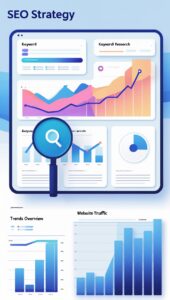
Pay-Per-Click advertising is a digital marketing method where businesses pay for each click their advertisement receives.
PPC campaigns allow businesses to appear at the top of search engine results or social media feeds.
Common PPC platforms include:
- Google Ads
- Facebook Ads
- Instagram Ads
- LinkedIn Ads
One advantage of PPC advertising is that results can be measured quickly. Businesses can track impressions, clicks, and conversions to evaluate campaign performance.
When combined with SEO and content marketing, PPC campaigns can accelerate traffic growth.
Email Marketing
Email marketing remains one of the most effective digital marketing strategies for maintaining relationships with customers.
Businesses use email marketing to:
- Send newsletters
- Promote special offers
- Share product updates
- Provide educational content
A well-managed email list allows businesses to communicate directly with interested audiences.
Successful email marketing focuses on providing helpful information rather than sending constant sales messages.
Influencer and Affiliate Marketing
Influencer marketing has grown significantly in recent years. Businesses collaborate with content creators who have engaged audiences to promote products or services.
Influencers often share product reviews, tutorials, or lifestyle content that introduces their followers to new brands.
Affiliate marketing works in a similar way but typically involves commissions for partners who generate sales through referral links.
Both strategies can help businesses expand their reach to new audiences.
E-commerce and Digital Product Marketing
Online stores rely heavily on digital marketing to attract customers and increase sales.
E-commerce marketing strategies include:
- SEO optimized product pages
- social media promotion
- email campaigns
- paid advertisements
Companies selling health and wellness products, such as Organic Herb Product, often combine content marketing with product marketing to educate customers and build trust:
https://organicherbstore.com/product-category/products/
Providing clear product information helps users make informed purchasing decisions.
Importance of Website Optimization
Your website is the central hub of your digital marketing strategy. All marketing channels eventually lead users back to your website.
A well-optimized website should include:
- clear navigation
- fast loading speed
- mobile-friendly design
- informative content
- secure browsing experience
These elements improve user experience and help search engines evaluate your website more effectively.
Analytics and Performance Tracking
Digital marketing platforms provide valuable data that businesses can use to measure performance.
Common metrics include:
- website traffic
- user engagement
- conversion rates
- click-through rates
Analyzing these metrics allows businesses to understand what strategies work best and where improvements are needed.
Data-driven decisions help optimize marketing campaigns over time.
Role of Professional Digital Marketing Services
While many businesses manage marketing internally, professional services can help accelerate growth by providing structured strategies and technical expertise.
Professional agencies often assist with:
- SEO strategy
- paid advertising campaigns
- website optimization
- content marketing planning
Businesses seeking expert support can explore available digital marketing services here:
https://boostersmarketingagency.com/product-category/services/
Working with experienced professionals helps businesses adapt to constantly changing digital trends.
Building Long-Term Digital Marketing Success
Successful digital marketing requires consistency and continuous improvement. Instead of focusing on quick results, businesses should build long-term strategies that gradually strengthen online presence.
Effective digital marketing combines several channels such as SEO, content marketing, social media engagement, and advertising campaigns.
By integrating these strategies, businesses create a comprehensive system that attracts visitors and converts them into loyal customers.
Conclusion
Digital marketing has transformed how businesses connect with audiences and promote their products or services. With the right strategy, companies can reach targeted customers, improve brand awareness, and create sustainable growth.
The key to successful digital marketing lies in combining multiple strategies such as search engine optimization, content marketing, social media engagement, and paid advertising. Each component supports the others, creating a strong digital ecosystem.
Businesses that focus on providing value, maintaining consistent content, and adapting to new marketing trends are more likely to succeed in the competitive online marketplace.
For ongoing marketing insights and updates, you can stay connected with Boosters through the following platforms:
Facebook: https://www.facebook.com/boosterofficials
Instagram: https://www.instagram.com/boostersofficials/
Frequently Asked Questions (FAQ)
What is digital marketing in simple terms?
Digital marketing refers to promoting products or services using online channels such as search engines, websites, social media platforms, and email campaigns.
Why is digital marketing important for businesses?
Digital marketing helps businesses reach larger audiences, build brand awareness, and generate targeted traffic more efficiently than traditional marketing methods.
What are the main types of digital marketing?
The main types include search engine optimization (SEO), content marketing, social media marketing, email marketing, and pay-per-click advertising.
How long does it take to see results from digital marketing?
Results vary depending on the strategy. Paid advertising can generate immediate traffic, while SEO and content marketing often produce results over a longer period.
Can small businesses benefit from digital marketing?
Yes. Digital marketing allows small businesses to compete with larger companies by targeting specific audiences and promoting products or services effectively online.