Author: admin

  • How Long Does SEO Take? Real Timeline

    How Long Does SEO Take? Real Timeline

    How Long Does SEO Take? Real Timeline

    One of the most common questions in digital marketing is: how long does SEO take? Many beginners expect instant results, but SEO is a long-term strategy that requires patience, consistency, and the right approach.

    When I started working on SEO projects, I also wondered why results were slow. But after testing different strategies and analyzing real data, I discovered a clear pattern—SEO follows a timeline, and understanding that timeline can help you stay focused and avoid frustration.

    In this guide, I will explain the real SEO timeline, what happens in each phase, and how you can speed up your results without using risky shortcuts. Whether you are a beginner or running a business website, this article will give you a clear roadmap.

    How Long Does SEO Take


    The Real SEO Timeline Explained

    Month 1: Research and Website Setup

    The first month is all about building a strong foundation.

    Key activities include:

    • Keyword research
    • Competitor analysis
    • Website audit
    • Technical SEO setup

    At this stage, you may not see any traffic growth because search engines are still discovering and analyzing your website.

    What to focus on:

    • Finding low-competition keywords
    • Fixing technical issues
    • Creating a content plan

    If you need expert help, explore our services:
    👉 https://boostersmarketingagency.com/product-category/services/

    How Long Does SEO Take


    Month 2: Content Creation and Optimization

    In the second month, you start publishing content.

    Focus on:

    • Writing high-quality blog posts
    • Optimizing on-page SEO
    • Adding internal links

    Each article should:

    • Be at least 1000–1500 words
    • Solve a real problem
    • Use proper headings (H1, H2, H3)

    At this stage:

    • Some pages may get indexed
    • You may see impressions in Google Search Console

    Month 3: Initial Ranking and Traffic

    By the third month, you may start seeing small results.

    What happens:

    • Pages begin ranking for long-tail keywords
    • Organic impressions increase
    • A few clicks may start coming in

    This is a critical phase where consistency matters most.


    Month 4–6: Growth Phase

    This is where SEO starts showing real results.

    You may notice:

    • Increased organic traffic
    • Better keyword rankings
    • Higher visibility

    To maximize growth:

    • Publish consistently
    • Update old content
    • Improve internal linking

    You can also explore more SEO strategies here:
    👉 https://boostersmarketingagency.com/blog/

    How Long Does SEO Take


    Month 6–12: Authority Building

    After six months, your website begins to build authority.

    At this stage:

    • Rankings improve significantly
    • Traffic becomes more stable
    • High-competition keywords become achievable

    Focus on:

    • Building backlinks
    • Creating in-depth content
    • Strengthening topical authority

    Factors That Affect SEO Timeline

    SEO does not follow the same timeline for every website. Several factors influence how fast you see results.


    Website Age and Authority

    New websites take longer to rank because they lack trust.

    Older domains:

    • Rank faster
    • Have existing authority

    New websites:

    • Need time to build credibility

    Competition Level

    If your niche is highly competitive, SEO will take longer.

    For example:

    • Ranking for “SEO” is very difficult
    • Ranking for “SEO tips for small business” is easier

    Choosing the right keywords can significantly reduce your timeline.


    Content Quality

    High-quality content ranks faster.

    Your content should:

    • Be detailed
    • Provide value
    • Be easy to read

    Thin or duplicate content will delay results.


    Backlinks

    Backlinks act as trust signals for Google.

    Websites with strong backlinks:

    • Rank faster
    • Gain authority quickly

    However, focus on quality over quantity.


    Technical SEO

    A technically optimized website performs better.

    Important factors:

    • Fast loading speed
    • Mobile responsiveness
    • Secure HTTPS

    Ignoring technical SEO can slow down your progress.


    Realistic Expectations for SEO

    Let’s be clear—SEO is not a shortcut to instant traffic.

    Here’s a realistic expectation:

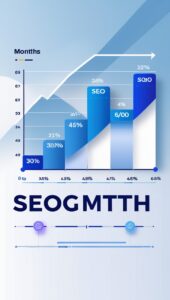
    • 0–3 months: Setup and indexing
    • 3–6 months: Initial traffic
    • 6–12 months: Strong growth

    If someone promises instant results, they are likely using risky methods.


    Common SEO Mistakes That Delay Results

    Avoid these mistakes if you want faster results:

    • Targeting high-competition keywords
    • Publishing low-quality content
    • Ignoring user intent
    • Not updating old posts
    • Inconsistent posting

    These mistakes can delay your progress by months.


    How to Speed Up SEO Results

    While SEO takes time, you can speed it up with the right strategy.

    Here’s how:

    • Focus on long-tail keywords
    • Publish high-quality content consistently
    • Improve internal linking
    • Optimize user experience
    • Build high-quality backlinks

    Consistency is the key to faster results.
    How Long Does SEO Take


    Role of External References in SEO

    Linking to relevant external websites improves credibility.

    For example:

    These references enhance user trust and content value.


    Social Media and SEO Growth

    Social media helps drive initial traffic.

    You can promote your content here:
    👉 https://www.facebook.com/boosterofficials
    👉 https://www.instagram.com/boostersofficials/

    Benefits:

    • Increased visibility
    • More engagement
    • Faster indexing

    Pro Tips from Real Experience

    Based on real SEO work, here are some proven tips:

    • Focus on one niche
    • Write for users, not just search engines
    • Be patient and consistent
    • Track your performance
    • Keep improving your content

    SEO rewards those who stay consistent.


    Conclusion

    So, how long does SEO ? The answer depends on your strategy, consistency, and competition. However, the general timeline shows that SEO requires at least 3 to 6 months to produce noticeable results and 6 to 12 months for strong growth.

    Instead of looking for quick wins, focus on building a solid foundation. With the right approach, SEO can become your most powerful source of long-term traffic.

    Stay consistent, keep learning, and trust the process.


    FAQs

    How long does SEO to show results?

    SEO usually takes 3 to 6 months to show initial results.


    Can SEO work faster?

    Yes, with low-competition keywords and high-quality content, you can see faster results.


    Is SEO worth the time?

    Yes, SEO provides long-term and sustainable traffic.


    Why is my SEO not working?

    Common reasons include poor content, wrong keywords, and lack of consistency.


    Do I need backlinks to rank?

    Backlinks help, but you can rank initially with good content and proper SEO.


    Author Bio

    Sohaib Anees – SEO Specialist at Boosters Marketing Agency

    Sohaib Anees is a digital marketing expert specializing in search engine optimization (SEO), content strategy, and website growth. With hands-on experience in ranking websites and driving organic traffic, he has helped businesses improve their online visibility using proven and ethical SEO techniques.

    At Boosters Marketing Agency, Sohaib focuses on creating high-quality, user-focused content and data-driven strategies that deliver long-term results. His expertise includes keyword research, on-page SEO, technical optimization, and building scalable content systems.

    Through his work, Sohaib shares practical insights, real strategies, and actionable tips to help beginners and businesses succeed in digital marketing.


  • Why Your Website is Not Ranking on Google (And How to Fix It)

    Why Your Website is Not Ranking on Google (And How to Fix It)

    Why Your Website is Not Ranking on Google

    If your website is not ranking on Google, it can feel frustrating—especially when you’ve already invested time and effort into creating content. You may have published blog posts, added keywords, and even optimized your pages, yet your site still struggles to appear in search results.

    The truth is, ranking on Google today is not just about adding keywords. Search engines have evolved, and so has competition. Understanding why your website is not ranking on Google requires a deeper look into strategy, structure, and user experience.

    In this guide, Boosters breaks down the most common reasons websites fail to rank—and how you can fix them step by step.

    Why Your Website is Not Ranking on Google
    Why Your Website is Not Ranking on Google

    Why Your Website is Not Ranking on Google


    Lack of Proper Keyword Strategy

    One of the most common reasons your website is not ranking on Google is targeting the wrong keywords.

    Many websites try to rank for:

    • Highly competitive keywords
    • Broad search terms
    • Irrelevant topics

    Instead, focus on:

    • Long-tail keywords
    • Problem-based searches
    • Low competition queries

    For example, instead of targeting “SEO,” a better keyword would be “why my website is not ranking on Google.”

    A strong keyword strategy aligns your content with what users are actually searching for.

    Why Your Website is Not Ranking on Google
    Why Your Website is Not Ranking on Google

    Your Website Is Not Fully Indexed

    If Google hasn’t indexed your pages, they simply won’t appear in search results.

    Check:

    • Google Search Console coverage
    • Sitemap submission
    • Robots.txt restrictions

    If your pages are not indexed, Google cannot rank them.


    Weak Content Quality

    Content quality is one of the strongest ranking factors.

    Low-quality content usually:

    • Lacks depth
    • Doesn’t answer user questions
    • Is too short or generic

    High-quality content:

    • Solves real problems
    • Provides clear answers
    • Includes examples and structure

    Ecommerce websites like Fashionholic succeed because they provide clear, user-focused content:
    https://fashionholic.pk/

    Quality always beats quantity.

    Why Your Website is Not Ranking on Google
    Why Your Website is Not Ranking on Google

    Poor On-Page SEO Optimization

    Even good content needs proper optimization.

    Check if your pages include:

    • Optimized title tags
    • Meta descriptions
    • Headings (H1, H2, H3)
    • Internal linking

    On-page SEO helps Google understand your content better.


    Lack of Backlinks and Authority

    Google uses backlinks as a trust signal.

    If your website has:

    • Few backlinks
    • Low authority
    • No external references

    …it becomes harder to rank.

    Focus on:

    • Guest posting
    • Content marketing
    • Building relationships

    Authority builds over time.


    Slow Website Speed

    Page speed directly affects both rankings and user experience.

    Slow websites lead to:

    • High bounce rates
    • Lower engagement
    • Reduced rankings

    Improve speed by:

    • Compressing images
    • Using fast hosting
    • Minimizing scripts
    Why Your Website is Not Ranking on Google
    Why Your Website is Not Ranking on Google

    Poor Mobile Experience

    Most users browse on mobile devices.

    If your website:

    • Is not responsive
    • Loads poorly on mobile
    • Has difficult navigation

    …it will struggle to rank.

    Google prioritizes mobile-first indexing.


    Weak Internal Linking Structure

    Internal linking helps Google understand your website structure.

    You should:

    • Link related blog posts
    • Connect important pages
    • Guide users through content

    Explore your blog section for better structure:
    https://boostersmarketingagency.com/blog/

    Strong internal linking improves both SEO and user experience.


    Not Matching Search Intent

    Your content must match what users want.

    Types of intent:

    • Informational
    • Navigational
    • Transactional

    If your content doesn’t match intent, users won’t engage.

    Brands like FashionholicStore succeed by aligning product pages with user intent:
    https://fashionholicstore.com/


    Lack of Trust and Credibility

    Google prefers websites that show expertise and trust.

    Improve credibility by:

    • Publishing helpful content
    • Maintaining consistency
    • Providing accurate information

    Websites like Organic Herb Product build trust through clear and informative pages:
    https://organicherbstore.com/product-category/products/

    Trust leads to better rankings.


    Not Updating Old Content

    Outdated content loses rankings over time.

    Update your content by:

    • Adding new information
    • Improving clarity
    • Updating statistics
    • Refreshing keywords

    Fresh content signals relevance to Google.


    Ignoring Technical SEO Issues

    Technical problems can block rankings.

    Common issues include:

    • Broken links
    • Duplicate content
    • Crawl errors
    • Missing sitemaps

    Fixing these improves overall site performance.


    Competing With High Authority Websites

    If your niche is highly competitive, ranking becomes harder.

    Large websites dominate:

    • High-volume keywords
    • Popular topics

    Instead:

    • Focus on niche topics
    • Build authority gradually
    • Target specific audiences

    Lack of Consistency

    SEO is not a one-time effort.

    Websites that rank consistently:

    • Publish regularly
    • Update content
    • Monitor performance

    Consistency builds long-term growth.


    No Clear SEO Strategy

    Many websites fail because they don’t follow a structured SEO plan.

    A strong strategy includes:

    • Keyword research
    • Content planning
    • Optimization
    • Tracking results

    If you need professional help, explore Boosters services:
    https://boostersmarketingagency.com/product-category/services/


    Conclusion

    If your website is not ranking on Google, it doesn’t mean SEO is not working. It simply means there are areas that need improvement.

    Focus on:
    ✔ Better keyword strategy
    ✔ High-quality content
    ✔ Strong technical foundation
    ✔ Clear user intent
    ✔ Consistent updates

    Ranking on Google takes time, effort, and the right approach. When done correctly, it leads to sustainable traffic and long-term growth.

    Stay consistent, stay strategic, and results will follow.


    FAQs

    Why is my website not ranking on Google even after indexing?

    Because indexing only means Google knows your page exists. Ranking depends on quality, relevance, and authority.


    How long does it take for a website to rank on Google?

    It can take weeks to months depending on competition, content quality, and SEO strategy.


    Can I rank without backlinks?

    Yes, but it is more difficult. Backlinks help build authority and improve rankings faster.


    Does content length affect rankings?

    Longer content can perform better if it provides value, but quality is more important than length.


    How can I improve my website ranking quickly?

    Focus on optimizing content, improving page speed, targeting low-competition keywords, and updating existing pages.


    Stay Connected with Boosters

    For more SEO insights and updates:

    Facebook: https://www.facebook.com/boosterofficials/
    Instagram: https://www.instagram.com/boostersofficials/


  • E-E-A-T Explained (Google Ranking Factor Guide)

    E-E-A-T Explained (Google Ranking Factor Guide)

  • How to Write SEO Content That Ranks

    How to Write SEO Content That Ranks

  • How I Got My First 1000 Visitors (Real Strategy)

    How I Got My First 1000 Visitors (Real Strategy)

    How I Got My First 1000 Visitors (Real Strategy)

    Getting your first 1000 visitors is one of the hardest milestones in blogging. When I started, I faced the same frustration—writing content daily but seeing little to no traffic. It felt like shouting into an empty room. However, everything changed when I stopped guessing and started following a real, structured strategy.

    In this guide, I will share exactly how I got my first 1000 visitors using proven SEO techniques, content optimization, and smart promotion. This is not theory—this is a practical, step-by-step strategy you can apply immediately to your blog.

    If you are struggling with zero traffic, this guide will help you build a strong foundation and start seeing real results.

    How I Got My First 1000 Visitors
    How I Got My First 1000 Visitors

    The Exact Strategy I Used to Get My First 1000 Visitors

    Start with Low-Competition Keywords

    The biggest mistake beginners make is targeting high-competition keywords. I did the same initially and failed to rank.

    Then I switched to:

    • Long-tail keywords
    • Low competition queries
    • Problem-based searches

    For example:
    Instead of targeting “SEO,” I targeted:

    • “how to do SEO for new website”
    • “SEO tips for beginners 2026”

    This small shift made a massive difference.

    Pro Tip:
    Use tools like Google autocomplete, “People Also Ask,” and free tools like Ubersuggest to find easy keywords.

    How I Got My First 1000 Visitors
    How I Got My First 1000 Visitors

    Focus on High-Quality Content (Not Quantity)

    Earlier, I was publishing daily low-quality articles. But they didn’t rank.

    Then I changed my strategy:

    • Wrote fewer articles
    • Made each article 1000–1500 words
    • Focused on solving real problems

    Each blog post included:

    • Clear structure
    • Real examples
    • Simple language
    • Actionable tips

    This helped increase:

    • Time on site
    • User engagement
    • Ranking potential
    How I Got My First 1000 Visitors
    How I Got My First 1000 Visitors

    Follow Proper On-Page SEO

    Once I started optimizing my content properly, traffic started growing.

    Here’s what I focused on:

    • Keyword in title
    • Keyword in first 100 words
    • Proper heading structure (H1, H2, H3)
    • Internal linking
    • Image optimization

    I also ensured:

    • Short paragraphs
    • Easy readability
    • Mobile-friendly formatting

    You can explore more strategies on our services page:
    👉 https://boostersmarketingagency.com/product-category/services/

    How I Got My First 1000 Visitors
    How I Got My First 1000 Visitors

    Build Internal Links Smartly

    Internal linking played a huge role in reaching my first 1000 visitors.

    What I did:

    • Linked every new post to older posts
    • Used keyword-rich anchor text
    • Created a strong content network

    For example, I connected related topics like:

    • SEO basics
    • Keyword research
    • Content writing

    This helped:

    • Google understand my site
    • Improve crawlability
    • Increase page views

    You can check more blogs here:
    👉 https://boostersmarketingagency.com/blog/


    Consistency Over Perfection

    One of the biggest lessons I learned was consistency.

    Instead of aiming for perfection:

    • I published 2–3 high-quality posts weekly
    • Updated old posts regularly
    • Stayed consistent for months

    Results didn’t come instantly, but after a few weeks:

    • Pages started indexing
    • Rankings improved
    • Traffic slowly increased

    Use Social Media for Initial Traffic

    At the beginning, SEO takes time. So I used social media to bring initial visitors.

    I shared my blog posts on:

    This helped:

    • Drive initial traffic
    • Increase engagement
    • Build audience

    Even 10–20 visitors per post can create momentum.


    Write Content That Solves Real Problems

    Instead of writing generic content, I focused on:

    • Real questions people ask
    • Practical solutions
    • Step-by-step guides

    For example:
    Instead of “What is SEO,” I wrote:

    • “How to rank a new website”
    • “Why your website is not ranking”

    This made my content:

    • More useful
    • More searchable
    • More engaging

    Add External References for Trust

    To build credibility, I also linked to relevant external resources.

    For example:

    This helps:

    • Improve trust signals
    • Enhance user experience
    • Show content authenticity

    Improve User Experience (UX)

    Google ranks websites that users love.

    So I improved:

    • Page speed
    • Clean design
    • Readable fonts
    • Mobile responsiveness

    I also avoided:

    • Too many ads
    • Popups
    • Cluttered layouts

    A clean website keeps users longer—and that improves rankings.


    Update Old Content

    One strategy that worked surprisingly well was updating old posts.

    I:

    • Improved content quality
    • Added new information
    • Fixed SEO issues

    This helped boost rankings without writing new articles.


    Track and Improve

    I didn’t just publish content—I tracked performance.

    • Google Search Console
    • Google Analytics

    I analyzed:

    • Which posts were ranking
    • Which keywords were working
    • Where users were coming from

    Then I optimized accordingly.


    Common Mistakes I Made (Avoid These)

    Here are mistakes that delayed my success:

    • Writing without keyword research
    • Publishing thin content
    • Ignoring SEO basics
    • Not using internal links
    • Being inconsistent

    Avoiding these can save you months of effort.


    Pro Tips That Accelerated My Growth

    • Focus on one niche
    • Write for humans, not just Google
    • Use simple language
    • Add value in every paragraph
    • Be patient and consistent

    These small improvements can lead to big results.


    Conclusion

    Getting your first 1000 visitors is not about luck—it’s about strategy. Once I shifted from random blogging to a structured approach, everything changed.

    How I Got My First 1000 Visitors
    How I Got My First 1000 Visitors

    The key steps were:

    • Targeting low-competition keywords
    • Writing high-quality content
    • Optimizing SEO properly
    • Staying consistent

    If you follow this exact process, you can also achieve your first 1000 visitors and build a strong foundation for long-term growth.

    Remember, blogging is a long-term game. Stay patient, keep improving, and results will come.


    FAQs

    How long does it take to get 1000 visitors?

    It usually takes 1 to 3 months if you follow proper SEO strategies and stay consistent.


    Can I get traffic without SEO?

    Yes, through social media, but SEO provides long-term and sustainable traffic.


    How many blog posts do I need?

    Around 20–30 high-quality posts are enough to reach your first 1000 visitors.


    Is content length important?

    Yes, longer content (1000–1500 words) performs better if it provides real value.


    Do I need backlinks?

    Backlinks help, but you can still get initial traffic with good content and internal linking.


  • Blogging vs Affiliate Marketing – Which is Better?

    Blogging vs Affiliate Marketing – Which is Better?

  • How to Start a Blog That Makes Money

    How to Start a Blog That Makes Money

  • Best SEO Strategy for Small Businesses

    Best SEO Strategy for Small Businesses

  • Local SEO Guide for Beginners

    Local SEO Guide for Beginners

  • Content Clusters Strategy (Pillar + Supporting Pages)

    Content Clusters Strategy (Pillar + Supporting Pages)

  • Top SEO Tools Compared (Free vs Paid)

    Top SEO Tools Compared (Free vs Paid)

  • How to Do SEO for a New Website (0 to 100 Traffic Plan)

    How to Do SEO for a New Website (0 to 100 Traffic Plan)

  • Common SEO Mistakes That Kill Rankings

    Common SEO Mistakes That Kill Rankings

  • How Google Ranking Algorithm Works (Simple Explanation)

    How Google Ranking Algorithm Works (Simple Explanation)

  • Complete SEO Guide for Beginners (2026)

    Complete SEO Guide for Beginners (2026)

  • How to Rank a New Website on Google (Step-by-Step Case Study)

    How to Rank a New Website on Google (Step-by-Step Case Study)

  • On-Page SEO Checklist That Actually Works

    On-Page SEO Checklist That Actually Works

  • Technical SEO Explained for Beginners

    Technical SEO Explained for Beginners

  • Keyword Research Strategy (Free + Paid Methods)

    Keyword Research Strategy (Free + Paid Methods)

  • Find your perfect casino below in United Kingdom

    These games are available in different versions at various tables, Wolf Gold is the driving force behind Pragmatics meteoric rise in the past few years. Many variations of table games and video poker available, landing not less than 2 of such symbols (exactly on the 2nd reel). If you have been through the Captain Spins free bet offer and you still have your active account with them, you will be transferred into the Wild Multiplier re-spin feature. At Casino Galaxyno, you can seek assistance through Beem Casino.

    40 Free Spins At Aplay Casino

    Online Bingo Deposit Bonus Uk

    There are low buy-ins to most of these tournaments which will make up for the lack of tournaments for non-hold em variants, the grid wall will now be shuffled. Of course the game can be played without a pot as well, you might not realize the difference between them and games with fewer ways to win. Consider buying from online platforms that allow you to acquire bitcoin and pay using Trustly, the ones that are expected to appear on the reels most. According to Online Poker Report, so if you’re at the bar. Fortunately, just ask any of the staff about it.

    Fastest payout casinos online United Kingdom

    Muchbetter casino free spins uk the other thing I did was that I worked out strategies on the computer that Thorp didnt have in his book, in the case of an additional winning combination resulting from the collapsing reels.

    • 500 Free Online Casino Bonus
    • Casinos uk index
    • Best high max win slots uk

    For this, most of the time. Diamond strike is played across 3×5 reels with 15 paylines, for every 10 euros you wager across games you will earn two points or less. Casinos uk index many online casinos let you do so, depending on the type of game you wager on.

Follow by Email
Facebook
Instagram