
Why Your Website is Not Ranking on Google
If your website is not ranking on Google, it can feel frustrating—especially when you’ve already invested time and effort into creating content. You may have published blog posts, added keywords, and even optimized your pages, yet your site still struggles to appear in search results.
The truth is, ranking on Google today is not just about adding keywords. Search engines have evolved, and so has competition. Understanding why your website is not ranking on Google requires a deeper look into strategy, structure, and user experience.
In this guide, Boosters breaks down the most common reasons websites fail to rank—and how you can fix them step by step.

Why Your Website is Not Ranking on Google
Lack of Proper Keyword Strategy
One of the most common reasons your website is not ranking on Google is targeting the wrong keywords.
Many websites try to rank for:
- Highly competitive keywords
- Broad search terms
- Irrelevant topics
Instead, focus on:
- Long-tail keywords
- Problem-based searches
- Low competition queries
For example, instead of targeting “SEO,” a better keyword would be “why my website is not ranking on Google.”
A strong keyword strategy aligns your content with what users are actually searching for.
Your Website Is Not Fully Indexed
If Google hasn’t indexed your pages, they simply won’t appear in search results.
Check:
- Google Search Console coverage
- Sitemap submission
- Robots.txt restrictions
If your pages are not indexed, Google cannot rank them.
Weak Content Quality
Content quality is one of the strongest ranking factors.
Low-quality content usually:
- Lacks depth
- Doesn’t answer user questions
- Is too short or generic
High-quality content:
- Solves real problems
- Provides clear answers
- Includes examples and structure
Ecommerce websites like Fashionholic succeed because they provide clear, user-focused content:
https://fashionholic.pk/
Quality always beats quantity.

Poor On-Page SEO Optimization
Even good content needs proper optimization.
Check if your pages include:
- Optimized title tags
- Meta descriptions
- Headings (H1, H2, H3)
- Internal linking
On-page SEO helps Google understand your content better.
Lack of Backlinks and Authority
Google uses backlinks as a trust signal.
If your website has:
- Few backlinks
- Low authority
- No external references
…it becomes harder to rank.
Focus on:
- Guest posting
- Content marketing
- Building relationships
Authority builds over time.
Slow Website Speed
Page speed directly affects both rankings and user experience.
Slow websites lead to:
- High bounce rates
- Lower engagement
- Reduced rankings
Improve speed by:
- Compressing images
- Using fast hosting
- Minimizing scripts

Poor Mobile Experience
Most users browse on mobile devices.
If your website:
- Is not responsive
- Loads poorly on mobile
- Has difficult navigation
…it will struggle to rank.
Google prioritizes mobile-first indexing.
Weak Internal Linking Structure
Internal linking helps Google understand your website structure.
You should:
- Link related blog posts
- Connect important pages
- Guide users through content
Explore your blog section for better structure:
https://boostersmarketingagency.com/blog/
Strong internal linking improves both SEO and user experience.
Not Matching Search Intent
Your content must match what users want.
Types of intent:
- Informational
- Navigational
- Transactional
If your content doesn’t match intent, users won’t engage.
Brands like FashionholicStore succeed by aligning product pages with user intent:
https://fashionholicstore.com/
Lack of Trust and Credibility
Google prefers websites that show expertise and trust.
Improve credibility by:
- Publishing helpful content
- Maintaining consistency
- Providing accurate information
Websites like Organic Herb Product build trust through clear and informative pages:
https://organicherbstore.com/product-category/products/
Trust leads to better rankings.
Not Updating Old Content
Outdated content loses rankings over time.
Update your content by:
- Adding new information
- Improving clarity
- Updating statistics
- Refreshing keywords
Fresh content signals relevance to Google.
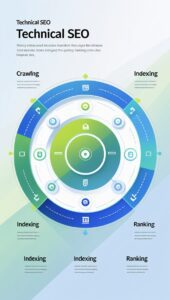
Ignoring Technical SEO Issues
Technical problems can block rankings.
Common issues include:
- Broken links
- Duplicate content
- Crawl errors
- Missing sitemaps
Fixing these improves overall site performance.
Competing With High Authority Websites
If your niche is highly competitive, ranking becomes harder.
Large websites dominate:
- High-volume keywords
- Popular topics
Instead:
- Focus on niche topics
- Build authority gradually
- Target specific audiences
Lack of Consistency
SEO is not a one-time effort.
Websites that rank consistently:
- Publish regularly
- Update content
- Monitor performance
Consistency builds long-term growth.
No Clear SEO Strategy
Many websites fail because they don’t follow a structured SEO plan.
A strong strategy includes:
- Keyword research
- Content planning
- Optimization
- Tracking results
If you need professional help, explore Boosters services:
https://boostersmarketingagency.com/product-category/services/
Conclusion
If your website is not ranking on Google, it doesn’t mean SEO is not working. It simply means there are areas that need improvement.
Focus on:
✔ Better keyword strategy
✔ High-quality content
✔ Strong technical foundation
✔ Clear user intent
✔ Consistent updates
Ranking on Google takes time, effort, and the right approach. When done correctly, it leads to sustainable traffic and long-term growth.
Stay consistent, stay strategic, and results will follow.
FAQs
Why is my website not ranking on Google even after indexing?
Because indexing only means Google knows your page exists. Ranking depends on quality, relevance, and authority.
How long does it take for a website to rank on Google?
It can take weeks to months depending on competition, content quality, and SEO strategy.
Can I rank without backlinks?
Yes, but it is more difficult. Backlinks help build authority and improve rankings faster.
Does content length affect rankings?
Longer content can perform better if it provides value, but quality is more important than length.
How can I improve my website ranking quickly?
Focus on optimizing content, improving page speed, targeting low-competition keywords, and updating existing pages.
Stay Connected with Boosters
For more SEO insights and updates:
Facebook: https://www.facebook.com/boosterofficials/
Instagram: https://www.instagram.com/boostersofficials/


Leave a Reply