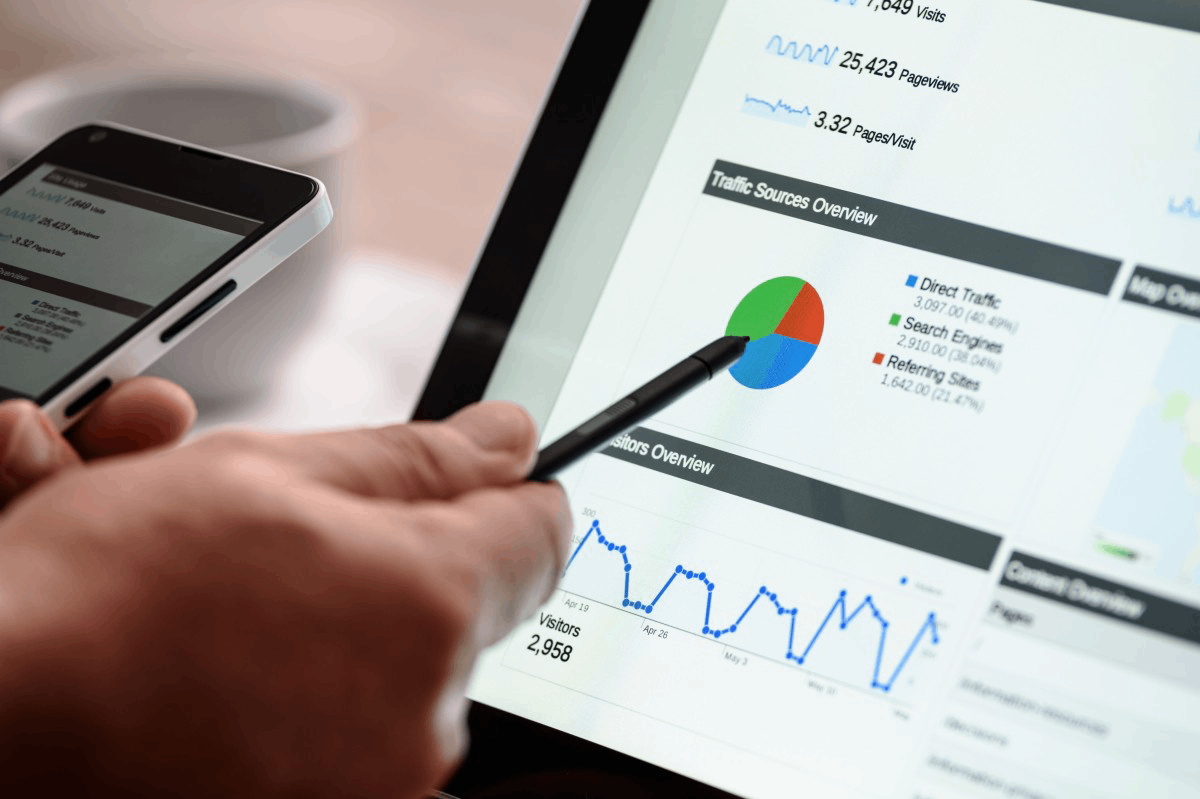
Tag: How to Recover Lost Organic Traffic

  • How to Recover Lost Organic Traffic

    How to Recover Lost Organic Traffic

    How to Recover Lost Organic Traffic After AI Updates (Step-by-Step)

    Recover Lost Organic Traffic If your website traffic suddenly dropped after recent Google AI updates, you’re not alone.

    Many website owners are confused because:

    • Rankings didn’t fall much
    • Pages are still indexed
    • Content quality hasn’t changed

    Yet traffic is clearly down.

    The reason is simple: AI search changed how users get answers.

    In this guide, Boosters breaks down exactly how to recover lost organic traffic after AI updates, using clear steps that actually work today.

    Recover Lost Organic Traffic
    Recover Lost Organic Traffic

    Step 1: Accept the Real Reason Your Traffic Dropped

    This is important:
    Most traffic losses are not penalties.

    Google’s AI Overviews now:

    • Answer questions directly
    • Reduce clicks to traditional links
    • Push organic results lower on the page

    Your content may still be ranking — it’s just being summarized instead of clicked.

    Understanding this shift helps you fix the problem instead of guessing.


    Step 2: Optimize for AI Visibility, Not Just Rankings

    Old SEO focused on “rank #1.”
    New SEO focuses on being selected by AI.

    To recover organic traffic:

    • Answer the main question in the first 2–3 lines
    • Use short paragraphs
    • Add bullet points and steps
    • Avoid unnecessary filler

    AI prefers content that is clear, direct, and easy to extract.

    That’s how you regain visibility.


    Step 3: Improve Content Structure (This Matters More Than Keywords)

    Even great content can fail if it’s hard to scan.

    Fix this by:

    • Using proper H2 and H3 headings
    • Breaking long paragraphs into short ones
    • Adding lists, summaries, and FAQs

    Well-structured content helps:
    ✔ AI understand your page
    ✔ Users stay longer
    ✔ Rankings stabilize faster

    Structure is no longer optional — it’s essential.


    Step 4: Build Topical Authority, Not Random Blog Posts

    One-off articles don’t work anymore.

    To recover lost organic traffic after AI updates, Google wants to see topic depth.

    That means:

    • Writing multiple articles around one main topic
    • Linking them together internally
    • Covering beginner to advanced angles

    At Boosters, we use this approach across all our SEO services to rebuild traffic sustainably:
    👉 https://boostersmarketingagency.com/product-category/services/

    You can also explore more strategies in our blog section:
    👉 https://boostersmarketingagency.com/blog/

    Topical authority is one of the strongest ranking signals in AI search.


    Step 5: Refresh Old Content Instead of Publishing New Posts

    One of the fastest wins is updating existing content.

    AI prefers content that is:

    • Fresh
    • Accurate
    • Recently improved

    Update posts by:

    • Adding new examples
    • Improving clarity
    • Updating dates and statistics
    • Strengthening internal links

    Refreshing old pages often restores traffic faster than publishing new ones.


    Step 6: Match Content With Search Intent (AI Is Very Strict)

    AI understands user intent better than ever.

    Make sure your content matches what users want:

    • Informational → clear explanations
    • How-to → step-by-step guidance
    • Commercial → comparisons and benefits
    • Transactional → services and solutions

    If intent doesn’t match, AI ignores your page — even if it’s well written.


    Step 7: Strengthen Brand & Trust Signals (EEAT)

    AI search doesn’t just rank pages — it evaluates brands.

    Improve trust by:

    • Showing real expertise
    • Publishing consistently
    • Maintaining an active social presence

    Connect your website with your social platforms:

    These signals help Google trust your brand and feature your content more often.

    Recover Lost Organic Traffic
    Recover Lost Organic Traffic

    Step 8: Learn From Websites That Adapted Well

    Some websites adapted smoothly to AI search because of clarity and structure.

    Good examples:

    Their success shows that simple, helpful content wins in AI search.


    Step 9: Track the Right Metrics (Not Just Traffic)

    After AI updates, traffic alone doesn’t tell the full story.

    Track:

    • Impressions
    • Visibility
    • Brand searches
    • Engagement

    Even if clicks drop, brand exposure often increases — leading to:
    ✔ Direct visits
    ✔ Returning users
    ✔ Higher trust

    This is how organic growth works now.


    Step 10: Stay Consistent — Recovery Takes Strategy

    AI updates don’t reward panic.

    Avoid:
    ❌ Deleting content randomly
    ❌ Keyword stuffing
    ❌ Publishing low-quality posts

    Instead:
    ✔ Improve structure
    ✔ Update content regularly
    ✔ Build topical authority
    ✔ Focus on real users

    This is how websites recover — and grow — long term.


    Final Thoughts from Boosters

    If your organic traffic dropped after AI updates, SEO isn’t broken — it evolved.

    Websites that adapt by:

    • Writing clearer content
    • Structuring pages better
    • Building authority
    • Strengthening trust

    …don’t just recover traffic — they future-proof their growth.

    That’s the SEO approach we follow at Boosters, and it’s what works today.

    Recover Lost Organic Traffic
    Recover Lost Organic Traffic
Follow by Email
Facebook
Instagram