Tag: Best Practices for SEO for Featured Snippets

  • Best Practices For SEO

    Best Practices For SEO

    Best Practices for SEO

    Best Practices For SEO

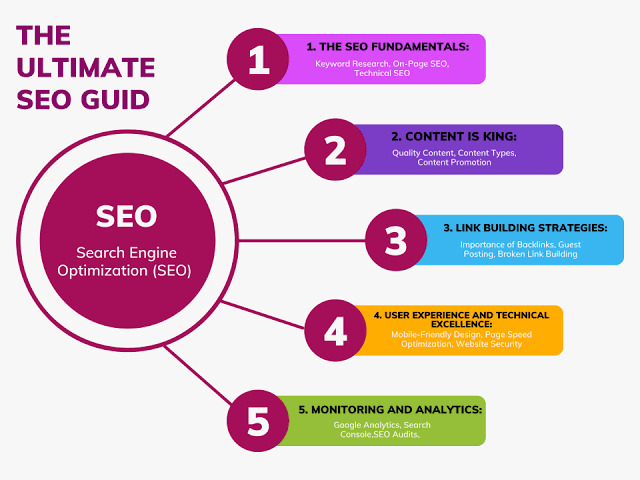
    Search Engine Optimization (SEO) is a critical tool for making. Your website is is more visible online. By following SEO best practices, you can boost your website’s ranking. Attract more visitors, and create a better user experience. In this blog, we’ll explore the most effective SEO practices to help your content shine.

    Why Best Practices For SEO Matters

    SEO is vital for any online presence because it improves your website’s chances. Of being by search engines. With proper SEO, you can:

    • Increase organic traffic to your site.

    • Reach your target audience effectively.

    • Build credibility and trust with users.

    Let’s dive into the key SEO practices that can drive success.

    Key Best Practices For SEO to Follow

    1. Conduct Thorough Keyword Research

    Keywords are the backbone of SEO. They help search engines understand what your content is about.

    • Why It Matters: Targeting the right keywords connects you to your audience.

    • How to Do It: Use tools like Google Keyword Planner or SEMrush to find keywords. That is relevant to your topic and has low competition.

    2. Write High-Quality Content Best Practices For SEO

    Content is king in the world of SEO. Search engines rank websites that offer valuable and engaging content.

    • Why It Matters: High-quality content keeps readers on your site longer. Which improves your ranking.

    • How to Do It:

      • Use clear and simple language.

      • Address the needs and questions of your audience.

      • Avoid duplicate content to maintain originality.

    3. Optimize Meta Tags Best Practices For SEO

    Meta tags include your page title and description, which show up in search engine results.

    • Why It Matters: Well-optimized meta tags improve click-through rates (CTR).

    • How to Do It:

      • Include primary keywords in the title.

      • Keep meta descriptions under 160 characters for better readability.

      • Make them engaging and to the point.

    4. Improve Page Speed 

    Fast-loading websites create a better user experience and rank higher on search engines.

    • Why It Matters: Users leave slow websites, increasing bounce rates.

    • How to Do It:

      • Compress images to reduce file size.

      • Use caching tools to speed up loading.

      • Choose a reliable hosting provider.

    5. Use Internal and External Links

    Linking enhances the credibility and depth of your content.

    • Why It Matters: Internal links keep users on your site longer. While external links improve credibility.

    • How to Do It:

      • Link to other pages on your site that are relevant to the topic.

      • Use authoritative and trustworthy external sources for reference.

    6. Make Your Website Mobile-Friendly

    A large percentage of users access websites on mobile devices. So your site needs to look and work well on smaller screens.

    • Why It Matters: Mobile-friendly websites rank higher on Google.

    • How to Do It:

      • Use responsive design.

      • Test your site on different devices to ensure proper functionality.

    7. Optimize Images

    Images make your content appealing but also impact page performance if not optimized.

    • Why It Matters: Properly optimized images improve page speed and user experience.

    • How to Do It:

      • Use descriptive file names with keywords.

      • Add alt text to images for better accessibility.

      • Compress images without compromising quality.

    8. Focus on User Engagement

    Engagement metrics like time spent on the page. Comments signal valuable content to search engines.

    • Why It Matters: Higher engagement boosts rankings and builds trust.

    • How to Do It:

      • Write clear, easy-to-read content.

      • Encourage comments by asking questions.

      • Use visuals like images, videos, or infographics to make your content more engaging.

    Conclusion

    Implementing these Best Practices for SEO can transform. Your website’s visibility and performance. From conducting keyword research to improving page speed. And focusing on user engagement, every step plays a crucial. Role in building a strong SEO foundation. Stay consistent, keep your content fresh, and always rank your audience’s needs.

    With dedication and the right strategies. Your website can rise to the top of search engine results and achieve long-term success.

    Shop Now

    Follow us on Instagram and Facebook. For More Products Visit our Website

Follow by Email
Facebook
Instagram