
Is SEO Dead in 2026? Truth Revealed
Introduction
“Is SEO dead in 2026?”—this is one of the most searched questions in digital marketing right now. With the rise of AI tools, changing Google algorithms, and increasing competition, many people believe that SEO no longer works. But is that really true?
The short answer is no—SEO is not dead. However, the way SEO works has changed significantly. What worked a few years ago no longer guarantees results today. In fact, outdated strategies can harm your rankings instead of helping them.
In this guide, we will reveal the truth about SEO in 2026, what has changed, what still works, and how you can adapt your strategy to stay ahead. If you want long-term traffic and sustainable growth, this is a must-read.
The Truth About SEO in 2026
SEO Is Not Dead—It Has Evolved
SEO is far from dead. In fact, it is more important than ever. But it has evolved from:
- Keyword stuffing
- Low-quality backlinks
- Thin content
To:
- User-focused content
- Search intent optimization
- High-quality, authoritative websites
Google’s goal is simple: deliver the best results to users. If your content helps users, SEO will work for you.
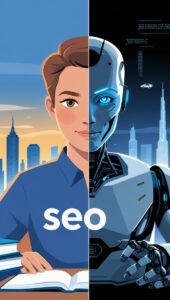
Why People Think SEO Is Dead
Many beginners fail with SEO and assume it no longer works. Here are the real reasons:
- Using outdated techniques
- Publishing low-value content
- Ignoring user intent
- Expecting instant results
SEO is not dead—bad SEO is dead.
Google Algorithm Updates Changed Everything
Over the years, Google has released major updates that changed how websites rank. In 2026, these updates focus on:
- Content quality
- User experience
- E-E-A-T (Experience, Expertise, Authority, Trust)
Websites that fail to meet these standards struggle to rank.

AI and SEO: Friend or Enemy?
AI tools have transformed content creation, but they also increased competition.
Here’s the reality:
- AI can help create content faster
- But low-quality AI content does not rank
To succeed, you must:
- Add human insights
- Provide real value
- Avoid generic content
AI is a tool—not a replacement for strategy.
User Intent Is the New King
In 2026, SEO is all about understanding what users actually want.
There are 3 main types of search intent:
- Informational (learning something)
- Navigational (finding a website)
- Transactional (buying something)
If your content does not match user intent, it won’t rank—no matter how optimized it is.
Content Quality Matters More Than Ever
Google now prioritizes:
- In-depth content
- Clear explanations
- Real examples
Thin content no longer works.
A strong article should:
- Solve a problem
- Provide actionable steps
- Be easy to read
You can explore professional SEO solutions here:
👉 https://boostersmarketingagency.com/product-category/services/
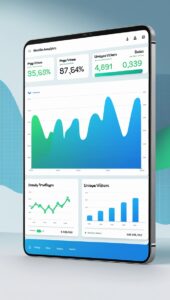
Backlinks Still Matter (But Quality Wins)
Backlinks remain a ranking factor, but the focus has shifted to quality.
Instead of:
- Spammy links
- Directory submissions
Focus on:
- Relevant websites
- Guest posting
- Natural link building
One high-quality backlink is better than 100 low-quality ones.
Technical SEO Still Plays a Role
Technical SEO ensures your website is:
- Fast
- Mobile-friendly
- Easy to crawl
Important factors include:
- Page speed
- Clean URL structure
- Secure HTTPS
Ignoring technical SEO can limit your growth.
The Rise of Topical Authority
In 2026, ranking is not about a single article—it’s about building authority in a niche.
For example:
Instead of writing random blogs, create:
- A main guide
- Supporting articles
This strategy improves:
- Rankings
- Internal linking
- User trust
Check more blog strategies here:
👉 https://boostersmarketingagency.com/blog/
User Experience (UX) Is a Ranking Factor
Google tracks how users interact with your site.
Important UX signals:
- Time on page
- Bounce rate
- Mobile usability
A clean and user-friendly design helps improve rankings.
Social Media Supports SEO Growth
While social media is not a direct ranking factor, it helps:
- Drive traffic
- Increase visibility
- Build brand authority
You can grow your presence here:
👉 https://www.facebook.com/boosterofficials
👉 https://www.instagram.com/boostersofficials/
External Links Improve Credibility
Linking to relevant resources improves trust and user experience.
For example:
- Fashion insights: https://fashionholic.pk/
- E-commerce trends: https://fashionholicstore.com/
- Organic products niche: https://organicherbstore.com/product-category/products/
These references show that your content is well-researched and reliable.
Common SEO Mistakes in 2026
Avoid these mistakes if you want to succeed:
- Publishing AI-generated content without editing
- Ignoring user intent
- Keyword stuffing
- Not updating old content
- Poor website design
These mistakes can hurt your rankings significantly.
What Still Works in SEO
Despite all the changes, some fundamentals remain the same:
- High-quality content
- Proper keyword research
- Internal linking
- Consistency
If you focus on these, SEO will work for you.
The Future of SEO
SEO will continue evolving, but it will not disappear.
Future trends include:
- Voice search optimization
- AI-assisted search
- Personalized search results
To stay ahead:
- Adapt quickly
- Focus on value
- Keep learning
Pro Tips to Succeed in 2026
- Write for humans first, search engines second
- Focus on solving real problems
- Build topical authority
- Use simple language
- Stay consistent
These strategies will keep you ahead of the competition.
Conclusion
So, is SEO dead in 2026? The answer is clear—no, SEO is not dead. It has simply evolved into a more advanced, user-focused strategy.
If you rely on outdated methods, you will struggle. But if you focus on quality, user intent, and consistency, SEO can still drive massive traffic and long-term success.
The key is to adapt, learn, and improve continuously. Those who evolve with SEO will continue to win.
FAQs
Is SEO still worth it in 2026?
Yes, SEO remains one of the best ways to get long-term organic traffic.
How long does SEO take to work?
Typically, it takes 3–6 months to see noticeable results.
Can AI replace SEO?
No, AI can assist SEO, but strategy and human input are still essential.
What is the most important SEO factor now?
User intent and content quality are the most important factors.
Is SEO better than paid ads?
SEO provides long-term results, while paid ads give instant but temporary traffic.


Leave a Reply