Author: admin

  • SEO Copywriting Tips 2025

    SEO Copywriting Tips 2025

    SEO Copywriting Tips 2025

    SEO Copywriting Tips 2025

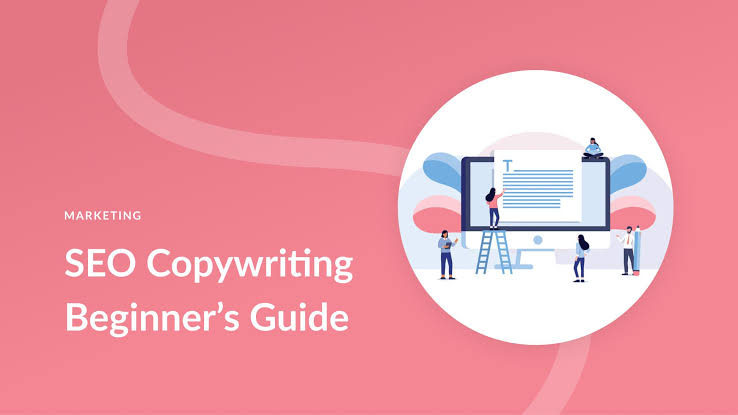
    Writing for the Internet in SEO Copywriting Tips 2025 needs smart tricks. To be by search engines and liked by readers, your words must work hard. Let’s learn how to create awesome, easy-to-read content.

    What Is SEO Copywriting Tips 2025?

    SEO copywriting means writing to make your page show up on Google and also be fun for readers. It uses the right words (keywords) in the right places.

    Why SEO Copywriting Tips Matters in 2025

    • More People Find You: Better content helps your page rank on search engines.

    • Keeps Readers Happy: People love reading clear, simple stuff.

    • Win the Race: Stand out among others in your field.

    Top 5 Tips for Writing in 2025

    1. Pick the Right Keywords (H2)

    Use tools like Google Keyword Planner to find the words people search for. Add these words to your text. Don’t overuse them.

    2. Write Short and Clear (H2)

    Use small words and short sentences. Make your point quickly. For example:

    • Use “buy” instead of “buy.”

    • Avoid long paragraphs.

    3. Check Your Work (H2)

    Tools like Grammarly help spot mistakes. A plagiarism checker ensures your work is fresh and unique. Always edit your text before sharing.

    4. Use Subheadings and Lists (H2)

    Subheadings break up big chunks of text. Use bullet points for lists. This makes reading easy.

    5. Update Your Content Often (H2)

    Keep your pages fresh with new facts or ideas. Google likes websites that stay up-to-date.

    What to Avoid

    • Stuffing Keywords: Don’t repeat the same words too much.

    • Skipping Mobile Check: Many people read on phones, so keep your page mobile-friendly.

    • Ignoring Titles and Descriptions: Add good titles and short descriptions for search engines.

    Common Mistakes to Avoid

    • Keyword Stuffing: Overusing keywords harms readability and rankings.

    • Ignoring Metadata: Always optimize titles, meta descriptions, and image alt texts.

    • Skimping on Mobile Optimization: Ensure your content is mobile-friendly. as mobile traffic dominates in 2025.

    Conclusion

    SEO copywriting in 2025 is about balancing technical precision with human engagement. By following these tips, you can create content that ranks well. Connects with readers, and sets you apart in the digital world. Remember, the key is to stay updated, keep learning, and always put your audience first.

    Shop Now

    Follow us on Instagram and Facebook. For More Products Visit our Website
  • SEO Tools You Need

    SEO Tools You Need

    SEO Tools You Need

    SEO Tools You Need

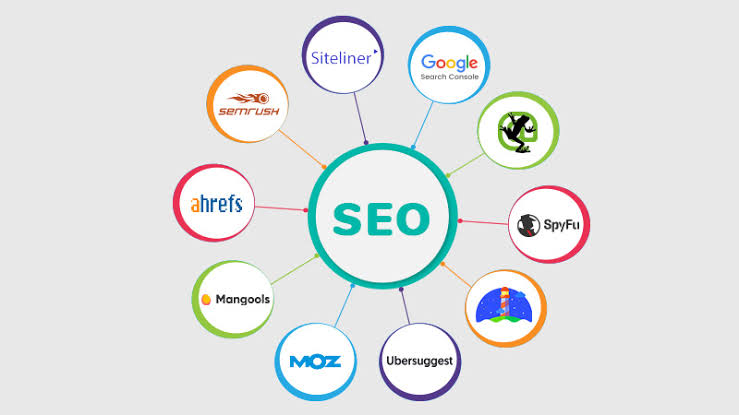
    If you want your website to rank high on Google, you need the right tools. These tools help you improve your website, track progress, and outsmart your competitors. Let’s explore the must-have SEO tools that can make your life easier and your website successful.

    Top SEO Tools You Need Should Use

    1. Google Keyword Planner

    This tool helps you find the best keywords for your website. Keywords are the words people type in search engines like Google. For example, if your website is about cooking. Keywords like “easy recipes” or “healthy meals” can bring more visitors.

    Why use it?

    • Finds popular keywords.

    • Helps you discover long-tail keywords for better ranking.

    2. Yoast SEO

    If you have a WordPress website, Yoast SEO is a must. This tool helps you optimize your blog posts and pages. It even gives a readability score, so you can make your content simple and easy to read.

    Why use it?

    • Fixes SEO problems.

    • Makes your content user-friendly.

    3. Grammarly

    Good content needs correct grammar and clear language. Is a tool that checks for spelling, grammar, and punctuation mistakes. It makes sure your writing is simple and free of errors.

    Why use it?

    • Improves readability.

    • Helps you write professional content.

    4. Google Analytics

    Tracking your website’s performance is important. Google Analytics shows you who visits your site, how long they stay, and which pages are popular.

    Why use it?

    • Tracks visitor behavior.

    • Helps you focus on what works.

    5. Ahrefs

    Ahrefs is perfect for analyzing your competitors. It shows you which websites link to your competitors and what keywords they rank for. This tool helps you create a better strategy to outrank them.

    Why use it?

    • Tracks backlinks.

    • FindnFind network opportunities.

    The Benefits of Using SEO Tools

    • Saves Time: Automates tasks like keyword research and tracking rankings.

    • Better Results: Shows accurate data to improve your SEO strategy.

    • Easy to Use: Most tools have simple features, even for beginners.

    Tips for Choosing the Right SEO Tools You Need

    1. Know Your Needs: Identify whether you need help with keywords. baBacklinksor content optimization.

    2. Start Small: Begin with free tools like Google Keyword Planner. Upgrade to paid tools as you grow.

    3. Stay Updated: Use tools that adapt to Google’s latest updates.

    Conclusion

    SEO tools are your secret weapon to rank higher on Google. From finding the best keywords with Google Keyword Planner to tracking your progress. With Google Analytics these tools make SEO easier and more effective. Start using them today and watch your website soar to the top.

    Shop Now

    Follow us on Instagram and Facebook. For More Products Visit our Website
  • Rank Number One On Google

    Rank Number One On Google

    Rank Number One on Google

    Rank Number One On Google

    Are you struggling to make your website visible online? Rank Number One On Google can seem like a dream, but with the right strategies, it’s achievable. In this guide, we’ll break down easy steps to help you climb to the top of search engine rankings.

    What is Rank Number One On Google?

    Search Engine Optimization (SEO) is the process of improving your website. To increase its visibility on search engines like Google. When your site appears at the top, you gain more traffic and better credibility. And a higher chance of success.

    Why is Rank Number One On Google Important?

    1. More Visitors: Higher ranking = more clicks.

    2. Builds Trust: People trust websites that rank at the top.

    3. Cost-Effective: It saves money compared to paid advertising.

    Easy Steps to Rank Number One On Google

    1. Research Keywords Rank Number Google

    Keywords are the foundation of SEO. Use tools like Google Keyword Planner to find words your audience is searching for. Focus on long-tail keywords like “best SEO tips for beginners” because. They have less competition.

    2. Create High-Quality Content

    Google loves useful and original content. Write blogs, articles, or guides that help your readers. Use simple words and avoid copying from others. Aim for at least 600–800 words per post.

    3. Optimize Titles and Headings

    Use catchy titles that include your keywords. For example, instead of “Blog Post,” use “Top Tips to Rank on Google.” Structure your content with H1, H2, and H3 headings for better readability.

    4. Improve Website Speed

    A slow website can hurt your SEO. Use tools like GTmetrix to identify issues and fix them. Compress images and use fast hosting services.

    5. Mobile-Friendly Design

    Most people browse on their phones. Ensure your website is responsive, meaning it looks good on all devices.

    SEO-Friendly Tools You Should Use

    1. Grammarly: To fix grammar and readability issues.

    2. Yoast SEO: A plugin to optimize content for WordPress sites.

    3. Google Analytics: To track your site’s performance.

    The Secret to Long-Term Success

    Consistency is key. Update your site, add fresh content, and adapt to Google’s algorithm changes. Keep learning and stay patient—SEO is a marathon, not a sprint.

    Conclusion

    Ranking number one on Google is a process that takes time, effort, and dedication. By following the steps outlined above—such as researching keywords. Creating high-quality content, and optimizing your website—you can improve your chances. Remember, SEO success doesn’t happen overnight. Stay consistent, track your progress, and never stop learning. With persistence, you’ll see your website rise to the top.

    Shop Now

    Follow us on Instagram and Facebook. For More Products Visit our Website
  • Learn SEO For Free

    Learn SEO For Free

    Learn SEO for Free

    Learn SEO For Free

    Search Engine Optimization (SEO) is an essential skill in today’s digital world. The good news is that you don’t need to spend a fortune to learn it! With the right resources and approach, you can master Learn SEO For Free for free. In this guide, we’ll explore effective strategies, tools, and tips to help you get started on your SEO journey.

    Why Learn SEO?

    Learning SEO is important if you want your website to stand out online. It helps:

    • Increase Website Traffic: SEO boosts your site’s visibility on search engines.

    • Grow Your Business: Attracting the right audience leads to more sales or conversions.

    • Save Money: Knowing SEO yourself saves costs on hiring professionals.

    By learning SEO, you gain the skills to optimize websites. And stay competitive in the online space.

    Steps to Learn SEO for Free

    1. Understand How Search Engines Work

    To master SEO, you need to know how search engines rank websites.

    • Why It Matters: SEO revolves around meeting search engine requirements.

    • How to Start: Learn the basics through resources like Google’s “How Search Works.”

    2. Explore Free SEO Courses

    Several platforms offer free courses that explain SEO concepts step-by-step.

    • Why It Matters: Structured courses simplify complex topics.

    • Free Resources:

      • Google Digital Garage: Offers beginner-friendly SEO training.

      • HubSpot Academy: Covers on-page SEO, keywords, and analytics.

      • Moz’s Beginner’s Guide to SEO: A detailed, easy-to-understand resource.

    3. Learn Keyword Research

    Keywords are the foundation of SEO. They help you target what users search for.

    • Why It Matters: Using the right keywords ensures better rankings.

    • How to Learn:

      • Use free tools like Ubersuggest or Google Keyword Planner.

      • Identify relevant, low-competition keywords for your niche.

    4. Practice On-Page SEO

    On-page SEO includes optimizing your content and website structure.

    • Why It Matters: It makes your site more user-friendly and search engine

    • How to Practice:

      • Add keywords to titles, headings, and meta descriptions.

      • Optimize images with alt text.

      • Use internal and external links effectively.

    5. Build Backlinks

    Backlinks are links from other websites to yours, and they improve your site’s authority.

    • Why It Matters: High-quality backlinks boost your rankings.

    • How to Start:

      • Write guest posts for other websites.

      • Share your content on forums and social media.

    6. Use Free SEO Tools

    Many free tools can help you analyze and improve your SEO.

    • Essential Tools:

      • Google Analytics: Tracks website traffic and user behavior.

      • Google Search Console: Monitors site performance and search queries.

      • Yoast SEO Plugin: Provides SEO recommendations for your content.

    Tips to Stay Consistent

    • Set Goals: Define what you want to achieve, like more traffic or higher rankings.

    • Keep Learning: Follow SEO blogs like Moz, Neil Patel, or Backlinko to stay updated.

    • Practice Regularly: Apply SEO techniques to your website or blog for hands-on experience.

    Conclusion

    You don’t need to break the bank to learn SEO. With free resources, tools, and consistent effort. You can master the art of optimizing websites for search engines. Start by understanding the basics, practicing with free tools. and staying updated on the latest trends.

    By following this guide, you’ll be on your way to becoming an SEO expert—all without spending a dime. The journey is rewarding, and the results will pay off in the long run.

    Shop Now

    Follow us on Instagram and Facebook. For More Products Visit our Website
  • The Power of Backlinks

    The Power of Backlinks

    The Power of Backlinks

    The Power of Backlinks

    Backlinks are one of the most The Power of Backlinks tools for improvement. Your website’s search engine ranking. They act as “votes of confidence” from other websites. Signaling to search engines that your content is valuable and worth ranking higher. In this blog, we’ll explore the importance of backlinks, how they work, and strategies to make the most of them.

    Why The Power of Backlinks Matter

    Backlinks, also known as inbound links, are links from one website to another. They are a crucial factor in Search Engine Optimization (SEO) because they:

    • Boost Rankings: Websites with high-quality backlinks rank higher in search engine results.

    • Build Credibility: Backlinks from trusted sites show search engines. That your content is reliable.

    • Increase Traffic: They bring visitors from other websites to yours. Boosting your organic traffic.

    Simply put, backlinks are the backbone of SEO success.

    How the Power of Backlinks Work

    Backlinks are like recommendations. When a reputable website links to your content. it tells search engines that your website is trustworthy and relevant. The more quality backlinks you have, the better your website’s authority becomes.

    Not all backlinks are equal, though. Search engines value:

    1. Relevance: Links from websites related to your niche are more effective.

    2. Authority: Links from high-authority websites carry more weight.

    3. Diversity: A variety of backlinks from different sources appears more natural.

    Types of Power of Backlinks

    1. Natural Power of Backlinks

    These are when other websites link to your content because they find it useful.

    • Example: A blogger links to your article as a helpful resource.

    2. Guest Post Backlinks

    These are links you include in articles you write for other websites.

    • Example: You write a guest post for a popular blog and link back to your website.

    3. Editorial Backlinks

    These occur when a website references your content in an article, without asking.

    • Example: A news site links to your study or infographic.

    4. Backlinks from Directories

    Some online directories allow you to submit your website for listing. Which includes a backlink.

    • Example: Local business directories or niche-specific directories.

    Best Practices for Backlinks

    1. Focus on Quality, Not Quantity

    It’s better to have a few high-quality backlinks than hundreds of low-quality ones. Links from spammy sites can harm your rankings.

    2. Create Shareable Content

    High-quality, informative, and engaging content attracts natural backlinks. Focus on:

    • Research-based articles.

    • Infographics.

    • How-to guides.

    3. Build Relationships Power of Backlinks

    Networking with other content creators can help you gain backlinks.

    • Collaborate with bloggers and influencers in your niche.

    • Take part in forums or online communities related to your industry.

    4. Track Your Backlink Profile

    Use tools like Ahrefs or SEMrush to track your backlinks and ensure they’re from reputable sites.

    5. Avoid Black Hat Tactics

    Buying backlinks or using automated link-building software can get your site penalized. Always focus on ethical, white-hat techniques.

    How to Earn Backlinks

    1. Write Guest Posts: Create valuable content for other websites. in exchange for a backlink.

    2. Promote Your Content: Share your blog posts on social media. And email newsletters to reach a wider audience.

    3. Reach Out to Websites: Politely ask websites to link to your content if it’s relevant to their audience.

    4. Create Link-Worthy Content: Publish original research. Case studies, or detailed guides that others will want to reference.

    Conclusion

    The Power of Backlinks lies in their ability to elevate your website’s visibility. Credibility, and traffic. By focusing on quality backlinks and building genuine relationships. You can strengthen your SEO strategy and achieve long-term success.

    Remember, earning backlinks takes time and effort, but the results are worth it. Start implementing these strategies today and watch your website grow.

    Shop Now

    Follow us on Instagram and Facebook. For More Products Visit our Website

  • Best Practices For SEO

    Best Practices For SEO

    Best Practices for SEO

    Best Practices For SEO

    Search Engine Optimization (SEO) is a critical tool for making. Your website is is more visible online. By following SEO best practices, you can boost your website’s ranking. Attract more visitors, and create a better user experience. In this blog, we’ll explore the most effective SEO practices to help your content shine.

    Why Best Practices For SEO Matters

    SEO is vital for any online presence because it improves your website’s chances. Of being by search engines. With proper SEO, you can:

    • Increase organic traffic to your site.

    • Reach your target audience effectively.

    • Build credibility and trust with users.

    Let’s dive into the key SEO practices that can drive success.

    Key Best Practices For SEO to Follow

    1. Conduct Thorough Keyword Research

    Keywords are the backbone of SEO. They help search engines understand what your content is about.

    • Why It Matters: Targeting the right keywords connects you to your audience.

    • How to Do It: Use tools like Google Keyword Planner or SEMrush to find keywords. That is relevant to your topic and has low competition.

    2. Write High-Quality Content Best Practices For SEO

    Content is king in the world of SEO. Search engines rank websites that offer valuable and engaging content.

    • Why It Matters: High-quality content keeps readers on your site longer. Which improves your ranking.

    • How to Do It:

      • Use clear and simple language.

      • Address the needs and questions of your audience.

      • Avoid duplicate content to maintain originality.

    3. Optimize Meta Tags Best Practices For SEO

    Meta tags include your page title and description, which show up in search engine results.

    • Why It Matters: Well-optimized meta tags improve click-through rates (CTR).

    • How to Do It:

      • Include primary keywords in the title.

      • Keep meta descriptions under 160 characters for better readability.

      • Make them engaging and to the point.

    4. Improve Page Speed 

    Fast-loading websites create a better user experience and rank higher on search engines.

    • Why It Matters: Users leave slow websites, increasing bounce rates.

    • How to Do It:

      • Compress images to reduce file size.

      • Use caching tools to speed up loading.

      • Choose a reliable hosting provider.

    5. Use Internal and External Links

    Linking enhances the credibility and depth of your content.

    • Why It Matters: Internal links keep users on your site longer. While external links improve credibility.

    • How to Do It:

      • Link to other pages on your site that are relevant to the topic.

      • Use authoritative and trustworthy external sources for reference.

    6. Make Your Website Mobile-Friendly

    A large percentage of users access websites on mobile devices. So your site needs to look and work well on smaller screens.

    • Why It Matters: Mobile-friendly websites rank higher on Google.

    • How to Do It:

      • Use responsive design.

      • Test your site on different devices to ensure proper functionality.

    7. Optimize Images

    Images make your content appealing but also impact page performance if not optimized.

    • Why It Matters: Properly optimized images improve page speed and user experience.

    • How to Do It:

      • Use descriptive file names with keywords.

      • Add alt text to images for better accessibility.

      • Compress images without compromising quality.

    8. Focus on User Engagement

    Engagement metrics like time spent on the page. Comments signal valuable content to search engines.

    • Why It Matters: Higher engagement boosts rankings and builds trust.

    • How to Do It:

      • Write clear, easy-to-read content.

      • Encourage comments by asking questions.

      • Use visuals like images, videos, or infographics to make your content more engaging.

    Conclusion

    Implementing these Best Practices for SEO can transform. Your website’s visibility and performance. From conducting keyword research to improving page speed. And focusing on user engagement, every step plays a crucial. Role in building a strong SEO foundation. Stay consistent, keep your content fresh, and always rank your audience’s needs.

    With dedication and the right strategies. Your website can rise to the top of search engine results and achieve long-term success.

    Shop Now

    Follow us on Instagram and Facebook. For More Products Visit our Website

  • Master YouTube SEO Techniques

    Master YouTube SEO Techniques

    Master YouTube SEO Techniques

    Master YouTube SEO Techniques


    If you want your YouTube videos to shine and reach a wider audience, learning YouTube SEO is a must. YouTube SEO helps your videos rank higher in search results. Bringing more views and engagement. This guide will teach you effective techniques. to master YouTube SEO in simple and easy steps.

    Why Master YouTube SEO Techniques Important

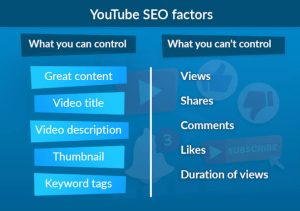
    YouTube is the second-largest search engine in the world. Optimizing your videos for SEO increases their visibility and helps you:

    • Reach more viewers.

    • Grow your subscriber base.

    • Stand out from the competition.

    Let’s dive into the top YouTube SEO techniques to maximize your success.

    Top Master YouTube SEO Techniques

    1. Use Keywords in Video Titles

    A strong title with keywords is essential for ranking higher on YouTube.

    • Why It Matters: Keywords help YouTube understand your video’s topic.

    • How to Do It: Use keyword research tools like Google Keyword Planner to find relevant terms. Include the main keyword in your video title.

    For example, instead of “Learn SEO,” try “Master YouTube SEO Techniques.”

    2. Write Detailed Descriptions of Master YouTube SEO Techniques

    Your video description provides context to viewers and search engines.

    • Why It Matters: A detailed description improves discoverability and encourages clicks.

    • How to Do It:

      • Write 2-3 paragraphs summarizing your video.

      • Include relevant keywords and phrases.

      • Add links to your website or social media.

    3. Add Tags

    Tags help YouTube categorize your content and match it with viewer searches.

    • Why It Matters: Relevant tags improve your video’s ranking in search results.

    • How to Do It: Use a mix of specific (e.g., “YouTube SEO”) and broad tags (e.g., “SEO tips”) to cover all search variations.

    4. Optimize Thumbnails

    Your thumbnail is the first thing viewers see. A compelling thumbnail increases click-through rates.

    • Why It Matters: High click-through rates signal YouTube to rank your video higher.

    • How to Do It:

      • Use eye-catching colors and bold text.

      • Make sure the image represents the video content.

      • Add your branding, like a logo.

    5. Create Closed Captions Master YouTube SEO Techniques

    Closed captions make your videos accessible and improve SEO.

    • Why It Matters: YouTube uses captions to understand your video content better.

    • How to Do It: Write accurate captions or use YouTube’s automatic. Captioning tool and editing for accuracy.

    6. Focus on Engagement Metrics

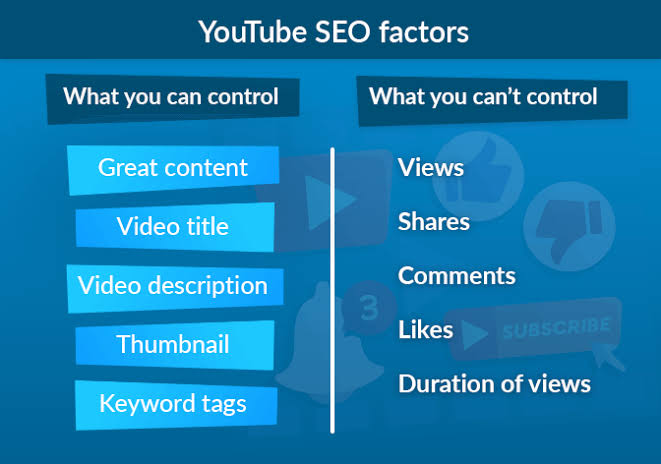
    Engagement metrics include likes, comments, shares, and watch time. These are key factors for ranking.

    • Why It Matters: Higher engagement signals quality content to YouTube.

    • How to Do It: Encourage viewers to like, comment, and share your video. Create content that keeps people watching until the end.

    7. Promote on Social Media

    Sharing your video on other platforms can increase views and visibility.

    • Why It Matters: More views and shares improve your video’s performance on YouTube.

    • How to Do It: Post your video link on Facebook, Instagram, Twitter, and LinkedIn. Use relevant hashtags to reach a broader audience.

    Other Essential Tips for YouTube SEO

    • Use Playlists: Group related videos together to keep viewers watching.

    • Regular Uploads: Upload videos consistently to build an active audience.

    • Engage with Comments: Reply to viewers to build relationships and encourage interaction.

    Conclusion

    Mastering YouTube SEO techniques is the key to growing your channel. And reaching your goals. From optimizing titles and descriptions to boosting engagement. And promoting your content, every step plays an important role. By following these SEO tips, you’ll create videos that rank higher, and attract more viewers. And drive lasting success for your channel.

    Start applying these techniques today and watch your YouTube channel thrive.

    Shop Now

    Follow us on Instagram and Facebook. For More Products Visit our Website

  • Optimize Blogs For SEO

    Optimize Blogs For SEO

    Optimize Blogs for SEO

    Optimize Blogs for SEO


    Writing a blog is not about creating great content—it’s about making sure people can find it. Search Engine Optimization (SEO) helps your blog rank higher. Search engines like Google, bring more readers to your site. This guide will help you learn how to optimize your blogs for SEO in simple, easy-to-follow steps.

    Why Optimize Blogs For SEO

    SEO ensures that your blog reaches a larger audience. By following SEO best practices:

    • You improve your blog’s visibility.

    • You drive more traffic to your site.

    • You engage and keep readers more.

    Let’s break down how to optimize your blogs step by step.

    Tips to Optimize Blogs For SEO

    1. Start with Keyword Research

    Keywords are the words or phrases people type into search engines. Choosing the right keywords helps your blog rank higher.

    • Why It Matters: Using relevant keywords ensures your blog matches. What people are searching for?

    • How to Do It: Use tools like Google Keyword Planner or Ubersuggest to find keywords. Target low-competition and high-search-volume keywords.

    2. Write a Catchy Title Optimize Blogs For SEO

    Your blog’s title is the first thing readers notice. Make it both engaging and SEO-friendly.

    • Why It Matters: A good title attracts clicks and boosts rankings.

    • How to Do It: Include your primary keyword in the title. Keep it under 60 characters to avoid truncation in search results.

    3. Create Quality Content and Optimize Blogs For SEO

    Search engines reward blogs that provide valuable, unique information.

    • Why It Matters: High-quality content improves user engagement and ranking.

    • How to Do It: Write content that answers your audience’s questions. Use simple words, short sentences, and easy-to-read formats.

    4. Use Proper Headings (H1, H2, H3)

    Organized content is easy to read and ranks better.

    • Why It Matters: Headings improve readability and help search engines. Understand your content structure.

    • How to Do It: Use H1 for the main title, H2 for subheadings, and H3 for smaller sections. Include keywords where appropriate.

    5. Optimize Images

    Images make your blog appealing, but they also impact SEO.

    • Why It Matters: Optimized images load faster and improve user experience.

    • How to Do It: Use compressed images, add alt text with keywords, and name files (e.g., “seo-blog-tips.jpg”).

    6. Write a Meta Description

    The meta description is the summary that appears. Below is your blog title in search results.

    • Why It Matters: A clear, compelling meta description encourages clicks.

    • How to Do It: Write a 150–160-character summary that includes your primary keyword.

    7. Add Internal and External Links

    Linking adds depth and credibility to your blog.

    • Why It Matters: Internal links keep readers on your site longer. While external links add authority.

    • How to Do It: Link to relevant blog posts on your site and credible external sources.

    8. Improve Page Speed

    Fast-loading blogs keep readers engaged and improve rankings.

    • Why It Matters: Slow pages discourage readers and harm your SEO.

    • How to Do It: Optimize images, reduce plugins, and enable browser caching.

    Best Practices for SEO-Friendly Blogs

    • Mobile Optimization: Make sure your blog looks great on all devices.

    • Regular Updates: Refresh your old blogs with new content and keywords.

    • Focus on Readability: Write at a Grade 5 level to keep content easy and enjoyable.

    Conclusion

    Optimizing blogs for SEO is the key to online success. By focusing on keyword research, quality content, and technical aspects like page speed. And mobile optimization, you can make your blog more visible and engaging. Following these tips will not only help your blog rank. hiHigherut also provides a better experience for your readers.

    Start implementing these strategies today and watch your blog thrive.

    Shop Now

    Follow us on Instagram and Facebook. For More Products Visit our Website

  • SEO Metrics To Monitor

    SEO Metrics To Monitor

    SEO Metrics to Monitor

    SEO Metrics To Monitor

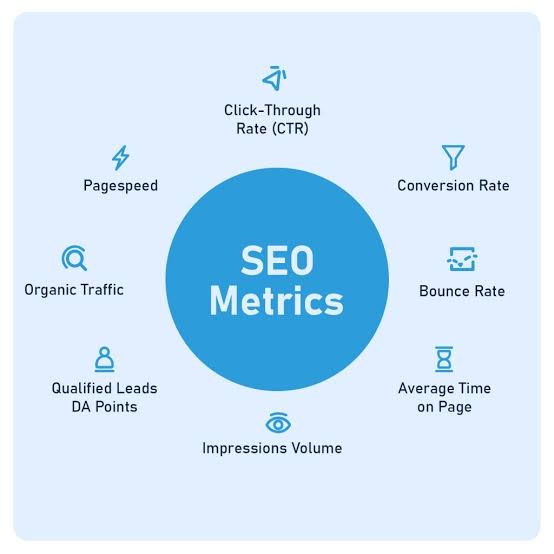
    SEO Metrics To Monitor is crucial for improving your website’s visibility and driving traffic. These metrics help you test your website’s performance. Uncover weak areas, and adjust strategies for growth. In this blog, we’ll discuss key SEO metrics that you should focus on.

    Why SEO Metrics To Monitor Matters

    SEO metrics give insights into how well your website ranks and performs. With regular tracking, you can:

    • Improve website rankings.

    • Drive more traffic.

    • Enhance user experience.

    • Stay ahead of competitors.

    To achieve this, it’s essential to understand which metrics to focus on.

    Key SEO Metrics To Monitor

    1. Organic Traffic

    Organic traffic refers to visitors who come to your website. Through unpaid search results. It shows how well your content ranks for specific keywords.

    • Why It Matters: Organic traffic indicates the effectiveness of your SEO strategies.

    • How to Improve: Publish high-quality content and optimize your website for target keywords.

    2. Keyword Rankings SEO Metrics To Monitor

    Your website’s position in search engine results for specific keywords. Is a key indicator of your SEO success.

    • Why It Matters: Higher keyword rankings mean more visibility.

    • How to Improve: Conduct keyword research, optimize content, and use internal linking strategies.

    3. Bounce Rate

    The bounce rate shows the percentage of visitors who leave your website. After viewing only one page.

    • Why It Matters: A high bounce rate can say poor user experience or irrelevant content.

    • How to Improve: Create engaging, high-quality content and ensure pages load.

    4. Backlinks SEO Metrics To Monitor

    Backlinks are links from other websites to your site. They help establish your site’s credibility and authority.

    • Why It Matters: More quality backlinks improve your site’s trustworthiness and boost rankings.

    • How to Improve: Create valuable content and reach out. To relevant websites for link building.

    5. Page Load Time

    How quickly your website pages load affects user satisfaction and SEO.

    • Why It Matters: Slow-loading pages drive users away and reduce search rankings.

    • How to Improve: Optimize images, use caching tools, and improve server response time.

    6. Click-Through Rate (CTR)

    CTR measures the percentage of people who click on your link in search engine results.

    • Why It Matters: A higher CTR means your title and meta description are compelling.

    • How to Improve: Write catchy titles and meta descriptions with clear value propositions.

    7. Domain Authority (DA)

    Domain authority is a score (1-100) that predicts how well a website will rank on search engines.

    • Why It Matters: Higher DA means a better chance of ranking high.

    • How to Improve: Focus on building quality content and earning backlinks.

    How to SEO Metrics To Monitor Effectively

    Use Tools

    Free and paid tools like Google Analytics, and Google Search Console. and Ahrefs can track key metrics efficiently.

    Set Benchmarks

    Compare your current metrics with past performance to identify trends and improvements.

    Consistency is Key

    Regularly analyze metrics to stay updated on your website’s performance.

    Conclusion

    Monitoring SEO Metrics is essential for achieving long-term success. By focusing on organic traffic, keyword rankings, backlinks, and other vital metrics. You can refine your strategies and enhance your website’s performance. Use tools, improve, and always aim for better user experience. With careful tracking and optimization, success is a step away!

    Shop Now

    Follow us on Instagram and Facebook. For More Products Visit our Website
  • Build Effective SEO Strategies

    Build Effective SEO Strategies

    Build Effective SEO Strategies

    Build Effective SEO Strategies

    Introduction

    In the world of SEO (Search Engine Optimization), building effective SEO strategies. Plays a crucial role in improving a website’s ranking on search engine results pages (SERPs). But what exactly does it mean to build effective SEO strategies?

    What Are Effective Build Effective SEO Strategies?

    Definition

    Effective SEO strategies are comprehensive plans that use various techniques. And practices to improve a site’s ranking on search engines like Google. Think of them as a roadmap to achieve higher visibility and attract more traffic to your website.

    How Effective Build Effective SEO Strategies Work

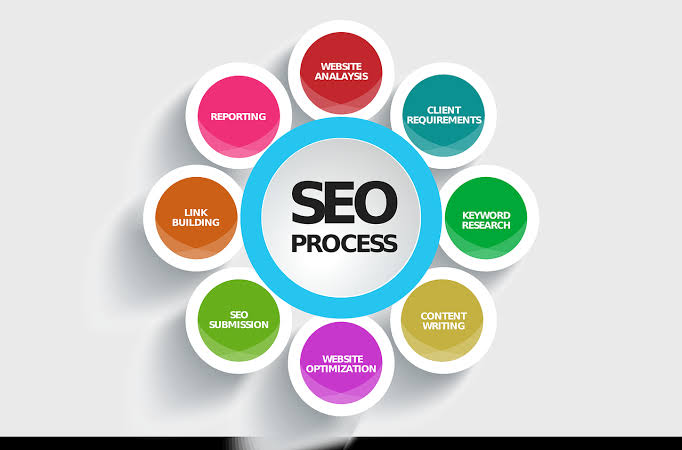
    Effective SEO strategies use many techniques such as keyword research. Content optimization, link building, and performance tracking. These strategies help boost your site’s authority and improve its position. On search engine results pages.

    Why Are Effective Build Effective SEO Strategies Important?

    Improve Search Engine Ranking

    Effective SEO strategies are among the most important factors. That search engines consider when ranking websites. Sites that use these strategies tend to rank higher. On SERPs, leading to more visibility and traffic.

    Increase Traffic Build Effective SEO Strategies

    When you use effective SEO strategies, you can drive more traffic to your site. This is especially true if your site has a high amount of traffic already. More visitors to your site can lead to higher engagement and conversions.

    Build Credibility and Authority

    Using effective SEO strategies can boost your site’s credibility and authority. When your site is with the latest SEO techniques. It signals to search engines and users that your site is a trusted source of information.

    Types of Effective SEO Strategies

    Keyword Research

    This strategy involves finding the best keywords to target for your content. By analyzing search volume, competition, and relevance. You can select the most effective keywords for your site.

    Content Optimization

    This strategy involves improving your content to make it more SEO-friendly. Techniques include optimizing keyword density, and readability. And metadata to ensure your content ranks well on search engines.

    Link Building

    Link building involves acquiring high-quality backlinks from reputable websites. This strategy helps improve your site’s authority and search engine ranking.

    Performance Tracking

    Performance tracking involves monitoring your site’s performance over time. By tracking metrics like traffic, bounce rate, and conversion rate. You can understand how well your SEO strategy is working. And make necessary adjustments.

    How to Build Effective SEO Strategies

    Create High-Quality Content

    The best way to improve your SEO is by creating high-quality. Valuable content that people want to read and share. Use keywords and focus on providing value to your audience.

    Optimize Your Site’s Performance

    Use tools to check your site’s performance and identify areas for improvement. Ensure that your site loads mobile-friendly, and provides a good user experience.

    Build Quality Backlinks

    Focus on earning backlinks from reputable and relevant websites. This can be through guest blogging, creating shareable content, and building relationships. wiWithnfluencers in your industry.

    Use Social Media

    Share your content on social media platforms to increase its visibility. Engage with your audience and encourage them to share your content.

    Conclusion

    Building effective SEO strategies is essential to improving. Your website’s ranking and visibility. Understanding these strategies. Are and how to use them can help you enhance your SEO efforts. Focus on creating valuable content, optimizing your site’s performance, and building quality backlinks. Happy optimizing.

    Shop Now

    Follow us on Instagram and Facebook. For More Products Visit our Website
  • SEO Myths To Ignore

    SEO Myths To Ignore

    SEO Myths To Ignore

    SEO Myths To Ignore

    Introduction

    In the world of SEO (Search Engine Optimization), many misconceptions. And myths can mislead people. These myths can harm your website’s ranking on search engine results pages (SERPs). But what exactly are these SEO myths? This blog will explain what some of the common SEO Myths To Ignore are, and why they are misleading. And what you should focus on instead.

    What Are SEO Myths To Ignore?

    Definition 

    SEO myths are false beliefs or misconceptions about SEO practices. that are not effective. These myths often promise quick and easy results but can harm your website’s ranking. And credibility.

    How SEO Myths To Ignore Work

    SEO myths are through outdated information, misunderstandings, or misleading advice. They can lead people to focus on the wrong strategies, which can result in wasted time and resources.

    Why Are SEO Myths To Ignore Important?

    Avoid Misleading Strategies

    Falling for SEO myths can lead you to adopt strategies that are not effective. Ignoring these myths helps you focus on what matters. To improve your website’s ranking and visibility.

    Protect Your Website’s Credibility

    Using outdated or harmful SEO practices can damage your site’s credibility. Ignoring these myths ensures that you use reputable and effective strategies. that build trust with search engines and users.

    Save Time and Resources

    Following false SEO advice can waste your time and resources. By focusing on proven strategies, you can use your efforts. More and achieve better results.

    Common SEO Myths To Ignore

    Keyword Stuffing Improves Ranking

    Myth: Adding as many keywords as possible to your content will improve your ranking.

    Reality: Keyword stuffing can hurt your ranking. Search engines rank content that provides. Value to users, not content overloaded with keywords.

    Meta Tags Are Irrelevant

    Myth: Meta tags don’t matter for SEO anymore.

    Reality: Meta tags, especially meta descriptions and title tags, still play a significant. Role in SEO. They help search engines understand the content of your page. And can improve click-through rates.

    Backlinks From Any Site Are Beneficial

    Myth: Any backlink, no matter the source, will boost your SEO.

    Reality: Quality matters more than quantity. Backlinks from reputable and relevant sites. Are more valuable than links from low-quality or unrelated sites.

    More Pages Mean Better SEO Myths To Ignore

    Myth: Having more pages on your website will improve your SEO.

    Reality: The quality of your content is more important than the quantity. Focus on creating valuable, well-structured content rather than increasing the number of pages.

    How to Focus on Effective SEO Strategies

    Create High-Quality Content

    The best way to improve your SEO is by creating high-quality. Valuable content that people want to read and share. Use keywords and focus on providing value to your audience.

    Optimize Your Site’s Performance

    Use tools to check your site’s performance and identify areas for improvement. Ensure that your site loads is mobile-friendly, and provides a good user experience.

    Build Quality Backlinks SEO Myths To Ignore

    Focus on earning backlinks from reputable and relevant websites. This can be through guest blogging, or creating shareable content. And building relationships with influencers in your industry.

    Use Social Media

    Share your content on social media platforms to increase its visibility. Engage with your audience and encourage them to share your content.

    Conclusion

    SEO myths can mislead you and harm your website’s ranking and visibility. Understanding what these myths are and focusing on effective SEO strategies. Can help you improve your SEO efforts. Ignore the myths, and focus on creating valuable content. And build relationships with reputable websites. Happy optimizing.

    Shop Now

    Follow us on Instagram and Facebook. For More Products Visit our Website
  • AI Tools For SEO

    AI Tools For SEO

    AI Tools For SEO

    Introduction

    In the world of SEO (Search Engine Optimization), AI plays a crucial role in improving. A website’s ranking on search engine results pages (SERPs). But what exactly are AI tools for SEO?

    What Are AI Tools For SEO?

    Definition

    AI tools are software applications that use artificial intelligence. to perform tasks aimed at improving a site’s ranking on search engines like Google. Think of them as your digital assistants for SEO.

    How AI Tools For SEO Work

    AI tools use machine learning algorithms to analyze large amounts of data. These tools can suggest keywords, track performance, analyze competitors, and even create content.

    Why Are AI Tools For SEO Important?

    Improve Search Engine Ranking

    AI tools are among the most important factors that search engines. Consider when ranking websites. Sites that use AI tools tend to rank higher on SERPs.

    Increase Traffic

    When you use AI tools, you can drive more traffic to your site and improve your site’s performance. More visitors to your site can lead to higher engagement and conversions.

    Build Credibility and Authority

    Using AI from reputable sources. Can boost your site’s credibility and authority. When your site is with the latest AI techniques, it signals to search engines. And users that your site is a trusted source of information.

    Types of AI Tools For SEO

    Keyword Research Tools

    These tools help you find the best keywords to target for your content. They analyze search volume, competition, and relevance to suggest. The most effective keywords for your site.

    Content Optimization Tools

    These tools analyze your content and suggest improvements to make it more SEO. They look at things like keyword density, and readability. And metadata to ensure your content is for search engines.

    Performance Tracking Tools

    These tools check your site’s performance over time. They track metrics like traffic, bounce rate, and conversion. Rate to help you understand how well your SEO strategy is working.

    How to Use AI Tools For SEO

    Create High-Quality Content

    The best way to improve your SEO is by creating high-quality, valuable content. AI tools can help you find the right topics, keywords, and structure for your content.

    Use Social Media

    Share your content on social media platforms to increase its visibility. AI tools can help you identify the best times to post, the most effective hashtags. and the type of content that resonates with your audience.

    Conclusion

    AI tools for SEO are a vital part of improving your website’s ranking and visibility. Understanding what AI for SEOis andd how to use that helps you enhance your SEO strategy. Focus on creating valuable content and using AI tools to optimize. Your site and build relationships with other websites. Happy optimizing.

    Shop Now

    Follow us on Instagram and Facebook. For More Products Visit our Website
  • Google Ranking Improvement Hacks

    Google Ranking Improvement Hacks

    Google Ranking Improvement Hacks

    Google Ranking Improvement Hacks

    Introduction

    In the world of SEO (Search Engine Optimization), Google Ranking Improvement Hacks. Play a crucial role in improving a website’s ranking on search engine results pages (SERPs). But what exactly are Google Ranking Improvement? This blog will explain what they are, why they are important, and how to use them.

    What Are Google Ranking Improvement Hacks?

    Definition

    Google Ranking Improvement Hacks are techniques and strategies. Used to enhance a website’s visibility and ranking on search engine results pages. Think of them as special tricks that help your site get noticed by search engines like Google.

    How Google Ranking Improvement Hacks Work

    Search engines like Google use these hacks as signals to rank websites. When a site uses these strategies, it helps boost the site’s authority and improve its position. On search engine results pages.

    Why Are Google Ranking Improvement Important?

    Improve Search Engine Ranking

    Google Ranking Improvement Hacks are one of the most important factors. That search engines consider when ranking websites. Sites with more high-quality hacks tend to rank higher on SERPs. This means more visibility and traffic for your website.

    Increase Traffic

    When you use these hacks, you can drive more traffic to your site. This is especially true if your site has a high amount of traffic already. More visitors to your site can lead to higher engagement and conversions.

    Build Credibility and Authority

    Using Google Ranking Improvement from reputable sources. Can boost your site’s credibility and authority. When a well-known site uses these hacks, it signals. To search engines and users your site is a trusted source of information.

    Types of Google Ranking Improvement 

    Natural Google Ranking Improvement 

    Natural hacks are when other websites find your content valuable. And decide to link to it without any effort on your part. This is the best type of hack as it shows genuine appreciation for your content.

    Manual Google Ranking Improvement 

    Manual hacks are through deliberate efforts such as outreach. You might ask bloggers, influencers, or website owners to link to your content. This requires time and effort but can be very effective.

    Self-Created Google Ranking Improvement Hacks

    These are hacks that you create yourself, such as in blog comments, forums, or user profiles. While they can provide some SEO benefits. They are often considered less valuable by search engines.

    How to Get Quality Google Ranking Improvement 

    Create High-Quality Content

    The best way to earn Google Ranking Improvement is by creating high-quality. Valuable content that people want to link to. This could be blog posts, infographics, videos, or research articles.

    Guest Blogging

    Write guest posts for reputable websites in your industry. In exchange, you can include a link to your site in the author bio or within the content.

    Outreach

    Reach out to bloggers, influencers, and website owners in your niche. Share your content with them and ask if they would link to it.

    Use Social Media

    Share your content on social media platforms to increase its visibility. When more people see and engage with your content. The chances of earning Google Ranking Improvement \increase.

    Conclusion

    Google Ranking Improvement Hacks are a vital part of SEO. and can impact your website’s ranking and visibility. Understanding what these hacks are and how to use them can help you improve your SEO strategy. Focus on creating valuable content and building relationships. With other websites to earn high-quality Google Ranking Improvement. Happy optimizing.

    Shop Now

    Follow us on Instagram and Facebook. For More Products Visit our Website

  • Top Instagram SEO Tips

    Top Instagram SEO Tips

    Top Instagram SEO Tips

    Top Instagram SEO Tips

    Introduction

    In the world of SEO (Search Engine Optimization), Instagram plays a crucial role. In improving a website’s visibility on search engine results pages (SERPs). But what exactly are SEO tips? This blog will explain what Instagram SEO tips are. Why they are important, and how to use them effectively.

    What Are Instagram SEO Tips?

    Definition

    Instagram SEO is strategies and techniques used to optimize your profile. And content to rank higher in search results on Instagram and other search engines. Think of it as a way to make your account more visible. And attractive to both users and search engines.

    How Instagram SEO Tips Work

    Search engines like Google use SEO tips as ranking signals. When you optimize your Instagram content, it can help boost your profile’s authority. And improve its position on search engine results pages.

    Why is Instagram SEO Important?

    Improve Search Engine Ranking

    Instagram SEO tips are one of the most important factors that search engines. Consider when ranking profiles and content. Accounts with more high-quality optimization tend to rank higher on SERPs. This means more visibility and traffic for your Instagram profile.

    Increase Traffic

    When you optimize your Instagram content. You can drive referral traffic to your website. This is especially true if your Instagram account has a high amount of followers. More visitors to your profile can lead to higher engagement and conversions.

    Build Credibility and Authority

    Having a well-optimized account can boost your profile’s credibility and authority. When a well-known account links to your content, it signals to search engines. And users that your profile is a trusted source of information.

    Types of Instagram SEO Tips

    Natural Instagram SEO 

    Natural SEO tips are when other accounts. Find your content valuable and decide to follow or share it without any effort on your part. This is the best type of SEO as it shows genuine appreciation for your content.

    Manual Instagram SEO Tips

    Manual SEO tips are through deliberate efforts such as outreach. You might ask influencers or other account owners to share your content. This requires time and effort but can be very effective.

    Self-Created Instagram SEO Tips

    These are SEO tips that you create yourself. Such as using relevant hashtags, geotags, or optimizing your profile bio. While they can provide some SEO benefits. They are often considered less valuable by search engines.

    How to Get Quality Instagram SEO Tips

    Create High-Quality Content

    The best way to earn SEO tips is by creating high-quality. Valuable content that people want to follow and share. This could be posts, stories, reels, or IGTV videos.

    Guest Posting

    Write guest posts for reputable websites in your industry. In exchange, you can include a link to your Instagram profile in the author bio or within the content.

    Outreach

    Reach out to influencers and account owners in your niche. Share your content with them and ask if they would share it on their profiles.

    Use Social Media

    Share your content on social media platforms to increase its visibility. When more people see and engage with your content, the chances. Of earning SEO tips increase.

    Conclusion

    Top Instagram SEO tips are a vital part of SEO and can impact your profile’s ranking and visibility. Understanding what SEO tips are and how to use them can help you improve your SEO strategy. Focus on creating valuable content and building relationships. With other accounts earn high-quality SEO tips. Happy. Optimizing.

    Shop Now

    Follow us on Instagram and Facebook. For More Products Visit our Website

  • International SEO Made Simple

    International SEO Made Simple

    International SEO Made Simple

    International SEO Made Simple

    Introduction

    International SEO plays a big role in search engine optimization (SEO). Helping websites rank better on search engines like Google worldwide. But what is SEO? This blog will explain what it is, why it’s important, and how to use it.

    What is International SEO Made Simple?

    Definition

    International SEO is about making your website easy for search engines. To understand which countries and languages you want to reach. It means making your content and strategies fit different parts of the world.

    How International SEO Works

    Search engines like Google use different clues to decide how to rank websites. For users in various countries. These clues include hreflang tags, localized content, and geo-targeting in Google. Search Console, and getting links from local websites. By improving these parts, you can make your website. More visible in international markets.

    Why is International SEO Important?

    Improve Search Engine Ranking

    SEO helps search engines better understand your website. This can help you rank higher in search results in other countries. Increasing your visibility and traffic.

    Increase Traffic

    By optimizing your website for different regions, you can attract a wider audience. And get more visitors from around the world, leading to more engagement and sales.

    Build Credibility and Authority

    A good international SEO strategy can make your website more trusted and authoritative. In different regions. When well-known local websites link to your content, it shows search engines. And users that your site is a reliable source of information.

    Types of International SEO

    Hreflang Tags International SEO Made Simple

    Hreflang tags are small pieces of code that tell search engines the language. And target the country of a webpage. They help ensure that users see the right version of your site for their language and location.

    Geo-Targeting

    Geo-targeting means setting specific geographic targets in tools like Google Search Console. to show which country a webpage is for. This helps search engines understand your content’s regional relevance.

    Localized Content

    Creating content that fits the language and culture of your target audience. Is key to SEO. This includes translating your website, using local keywords. and tailoring your message to different cultures.

    How to Install International SEO

    Conduct Market Research

    First, identify the regions and languages you want to target. Do market research. To understand the demand, competition, and cultural differences in these areas.

    Optimize Your Website Structure

    Use subdirectories or subdomains to organize your content. For different regions. Ensure your hreflang tags are to guide search engines.

    Create High-Quality Localized Content

    Make content that is relevant to your audience in each region. Use local keywords, phrases, and cultural references to make your content more appealing.

    Get Local Backlinks

    Reach out to reputable local websites, influencers, and bloggers. To get backlinks from within your target region. This can improve your site’s authority and ranking in local search results.

    Use Social Media

    Promote your localized content on social media platforms popular in your target regions. This can increase visibility and drive traffic to your site.

    Conclusion

    International SEO Made Simple is a key part of growing your online presence. And reaching audiences worldwide. Understanding what international SEO is and how to use it can help improve your global SEO strategy. Focus on creating valuable localized content. Optimizing your website structure, and building relationships. With local websites to succeed in international markets. Happy optimizing.

    Shop Now

    Follow us on Instagram and Facebook. For More Products Visit our Website
  • Optimize Content For E-A-T

    Optimize Content For E-A-T

    Optimize Content For E-A-T

    Optimize Content For E-A-T

    Introduction

    In the world of SEO (Search Engine Optimization), optimizing content for E-A-T plays. A crucial role in improving a website’s ranking on search engine results pages (SERPs). But what exactly is Optimize Content For E-A-T This blog will explain what E-A-T.

    What is Optimize Content For E-A-T? Definition

    E-A-T stands for Expertise, Authoritativeness, and Trustworthiness. It’s a guideline used by Google to measure the quality of content on websites. When a website shows high E-A-T, it tells search engines. That the content is valuable and trustworthy.

    How to Optimize Content For E-A-T Works

    Search engines like Google use E-A-T as a ranking signal. When a site has high E-A-T, it passes some of its “link juice” to your site. This link juice helps boost your site’s authority. And can improve its position on search engine results pages.

    Why is E-A-T Important?

    Improve Search Engine Ranking

    E-A-T is one of the most important factors that search engines. Consider when ranking websites. Sites with high E-A-T tend to rank higher on SERPs. This means more visibility and traffic for your website.

    Increase Traffic

    When your content shows high E-A-T, it can drive more referral traffic to your site. This is especially true if the linking site has a high amount of traffic. More visitors to your site can lead to higher engagement and conversions.

    Build Credibility and Authority

    Having high E-A-T from reputable websites can boost. Your site’s credibility and authority. When a well-known site links to your content. It signals to search engines and users that your site is a trusted source of information.

    Types of E-A-T Signals

    Expertise

    Expertise means having knowledge and skills in your field. Creating content that shows your expertise helps improve your E-A-T.

    Authoritativeness

    Authoritativeness is about being a leader in your field. When other experts link to your content, it boosts your authoritativeness.

    Trustworthiness

    Trustworthiness means being reliable and honest. Providing accurate information and being transparent builds trust with your audience.

    How to Optimize Content For E-A-T

    Create High-Quality Content

    The best way to earn high E-A-T is by creating high-quality, valuable content. This could be blog posts, infographics, videos, or research articles.

    Use Authoritative Sources

    Cite reputable sources in your content to boost your authoritativeness. Linking to well-known experts and organizations shows that your content is well-researched.

    Build Backlinks

    Reach out to bloggers, influencers, and website owners in your niche. Share your content with them and ask if they would link to it. This increases your site’s authority.

    Update Content Regularly

    Keep your content fresh and up-to-date. Updating your content shows that you are maintaining your site.

    Use Social Media

    Share your content on social media platforms to increase its visibility. When more people see and engage with your content, it boosts your E-A-T.

    Conclusion

    Optimizing content for E-A-T is a vital part of SEO and can impact your website’s ranking and visibility. Understanding what E-A-T is and how to optimize for it can help you improve your SEO strategy. Focus on creating valuable content, using authoritative sources. And building backlinks to earn high E-A-T. Happy optimizing.

    Shop Now

    Follow us on Instagram and Facebook. For More Products Visit our Website
  • Fix Duplicate Content Issues

    Fix Duplicate Content Issues

    Fix Duplicate Content Issues

    Fix Duplicate Content Issues

    Introduction

    In the world of SEO (Search Engine Optimization) fixing duplicate content issues plays. A crucial role in improving a website’s ranking on search engine results pages (SERPs). But what exactly are duplicate content issues? This blog will explain what duplicate content issues are, why they are important, and how to fix them.

    What are Duplicate Content Issues?

    Duplicate content issues occur when the same content appears. On many pages or websites. This confuses search engines, making it hard to decide which version is the original. Think of it as having many copies of the same book in a library. When search engines find duplicate content, they can’t decide which one to show to users.

    How Duplicate Content Issues Affect SEO

    Search engines like Google use many signals to rank websites. When a site has duplicate content, it can split the “link juice” between the duplicates. This weakens the site’s authority and can lower its position. On search engine results pages.

    Why Fixing Duplicate Content Issues is Important?

    Improve Search Engine Ranking

    Fixing duplicate content issues is one of the most important factors for SEO. Sites with unique and high-quality content tend to rank higher on SERPs. This means more visibility and traffic for your website.

    Increase Traffic

    When your content is unique, it can drive more traffic to your site. Users are more likely to visit a site with original content. More visitors to your site can lead to higher engagement and conversions.

    Build Credibility and Authority

    Having unique content from reputable sources. Can boost your site’s credibility and authority. When search engines see that your content is original. They consider your site a trusted source of information.

    Types of Duplicate Content

    Internal Duplicate Content

    This happens when the same content appears on many pages within the same website. It can be technical issues like URL variations or session IDs.

    External Duplicate Content

    This occurs when the same content appears on different websites. It can be due to content syndication or scraping by other sites.

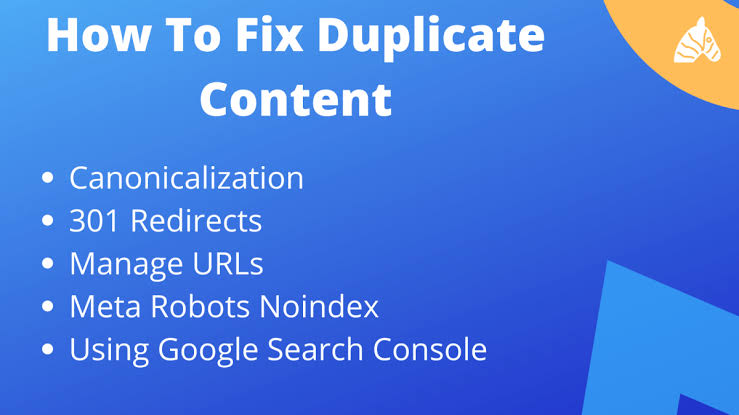
    How to Fix Duplicate Content Issues

    Create High-Quality Original Content

    The best way to avoid duplicate content is by creating high-quality, original content. This could be blog posts, infographics, videos, or research articles.

    Use Canonical Tags

    Add canonical tags to your web pages to tell search engines which version is the original. This helps prevent duplicate content issues caused by URL variations.

    Redirect Duplicate Pages

    Set up 301 redirects from duplicate pages to the original page. This consolidates the “link juice” and improves your site’s authority.

    Avoid Content Syndication

    If you share your content on other websites, use a canonical tag to point back to the original content on your site. This ensures that search engines recognize your site as the primary source.

    Check Your Site

    Regularly check your site for duplicate content issues using SEO tools. This helps identify and fix problems before they affect your rankings.

    Conclusion

    Fixing duplicate content issues is a vital part of SEO and can impact. Your website’s ranking and visibility. Understanding what duplicate content is and how to fix it can help you improve your SEO strategy. Focus on creating valuable, original content and using tools. Like canonical tags and redirects to manage duplicate content. Happy optimizing.

    Shop Now

    Follow us on Instagram and Facebook. For More Products Visit our Website
  • Future Trend in SEO

    Future Trend in SEO

    Future Trend in SEO

    Future Trend in SEO

    Introduction

    In the world of SEO (Search Engine Optimization). Understanding future Trend in SEO plays a crucial role in improving a website’s ranking. On search engine results pages (SERPs). But what exactly are these future trends? This blog will explain what the Future Trends in SEO are, why they are important, and how to use them.

    What is a Future Trend in SEO?

    A Future Trend in SEO is a new development or change in the way search engines rank websites. These trends show what will be important for SEO in the coming years. Staying updated with these trends helps websites stay competitive and improve their rankings.

    How Future Trends in SEO Work

    Search engines like Google use many signals to rank websites. Future Trends in SEO highlight the new factors. That will become more important for ranking. By understanding these trends, website owners can adapt their strategies to stay ahead.

    Why are Future Trends in SEO Important?

    Improve Search Engine Ranking

    Future Trends in SEO are important factors that search engines. Consider when ranking websites. Sites that adapt to these trends tend to rank higher on SERPs. This means more visibility and traffic for your website.

    Increase Traffic

    By following future trends, websites can attract more visitors. When a site is for the latest SEO factors, it gets more traffic. More visitors to your site can lead to higher engagement and conversions.

    Build Credibility and Authority

    Adapting to future trends boosts your site’s credibility and authority. When search engines see that your site follows the latest trends, they consider it. It is a trusted source of information.

    Types of Future Trends in SEO

    Voice Search Optimization

    With the rise of smart speakers and voice assistants. Optimizing for voice search is becoming more important. Use natural language and long-tail keywords to rank higher for voice searches.

    Mobile-First Indexing

    Google now uses the mobile version of your site for indexing and ranking. Ensure your site is mobile to improve your SEO.

    Artificial Intelligence (AI)

    AI is playing a bigger role in SEO. Tools like Google’s RankBrain use AI to understand user queries better. Optimize your content for AI by focusing on user intent and relevance.

    User Experience (UX)

    A good user experience is essential for SEO. Ensure your site is easy to navigate, loads, and provides valuable content.

    Video Content

    Video is becoming a dominant form of content. Optimize your videos for SEO by using relevant keywords in titles and descriptions.

    How to Adapt to Future Trends in SEO

    Stay Updated

    Keep up with the latest SEO news and updates. Follow industry blogs, attend webinars, and take part in SEO communities.

    Optimize for Mobile

    Make sure your site is mobile. Use responsive design, improve loading times, and ensure easy navigation on mobile devices.

    Use AI Tools

    Leverage AI tools to analyze your site’s performance and identify areas for improvement.

    Focus on UX

    Enhance the user experience by making your site a user. Improve site speed, simplify navigation, and provide high-quality content.

    Create Video Content

    Invest in creating and optimizing video content. Use keywords in video titles and descriptions to improve your rankings.

    Conclusion

    Future Trends in SEO are vital for improving your website’s ranking and visibility. Understanding these trends and adapting to them can help you stay ahead. In the competitive world of SEO. Focus on optimizing for voice search, and mobile-first indexing. AI, user experience, and video content to enhance your SEO strategy. Stay updated and proactive to achieve the best results. Happy optimizing.

    Shop Now

    Follow us on Instagram and Facebook. For More Products Visit our Website
  • Featured Snippet SEO Guide

    Featured Snippet SEO Guide

    Featured Snippet SEO Guide

    Featured Snippet SEO Guide

    Introduction

    In the world of SEO (Search Engine Optimization). a Featured Snippet SEO Guide plays an important role. It helps improve a website’s ranking on search engine results pages (SERPs). But what exactly is a Featured Snippet SEO Guide? This guide will explain what featured snippets are, why they are important, and how to use them.

    What is a Featured Snippet SEO Guide?

    A Featured Snippet is a highlighted answer that appears at the top of Google’s search results.” Think of it as a quick answer to a user’s question. When Google chooses your content as a featured snippet. It means your content is valuable and trustworthy.

    How Featured Snippet SEO Guide Works

    Search engines like Google use many signals to rank websites. Featured snippets are on the quality and relevance of the content. When a site earns a featured snippet, it gets more visibility and authority.

    Why is Featured Snippet SEO Guide Important?

    Improve Search Engine Ranking

    Featured snippets are one of the most important factors that search engines consider. Sites with high-quality content that gets featured snippets. Tend to rank higher on SERPs. This means more visibility and traffic for your website.

    Increase Traffic

    When your content is featured, it can drive more traffic to your site. Users are more likely to click on a featured snippet. More visitors to your site can lead to higher engagement and conversions.

    Build Credibility and Authority

    Having content featured as a snippet from reputable websites. Can boost your site’s credibility and authority. When Google features your content, it signals to users. That your site is a trusted source of information.

    Types of Featured Snippets

    Paragraph Snippets

    These are the most common type. They display a short paragraph of text that answers the user’s query.

    List Snippets

    These snippets show lists, such as steps to follow or items in a list.

    Table Snippets

    These snippets display information in a table format, making data easy to read.

    How to Get Featured Snippets

    Create High-Quality Content

    The best way to earn featured snippets is by creating high-quality, valuable content. Answer common questions and. This could be blog posts, infographics, videos, or research articles.

    Use Structured Data

    Structured data helps search engines understand your content better. Use schema markup to improve your chances of getting featured snippets.

    Optimize for Long-Tail Keywords

    Long-tail keywords are more specific and less competitive. Use these in your content to target featured snippets.

    Answer Questions Directly

    When writing content, answer questions and . Use headings like H2 and H3 to format your answers.

    Use Social Media

    Share your content on social media platforms to increase its visibility. When more people see and engage with your content. The chances of earning featured snippets increase.

    Conclusion

    Featured snippets are a vital part of SEO and can impact your website’s ranking and visibility. Understanding what featured snippets are and how to earn them can help you improve. Your SEO strategy. Focus on creating valuable content, using structured data. And answering questions to earn high-quality featured snippets. Happy optimizing.

    Shop Now

    Follow us on Instagram and Facebook. For More Products Visit our Website

  • SEO Content Clusters Guide

    SEO Content Clusters Guide

    SEO Content Clusters Guide

    SEO Content Clusters Guide

    Introduction

    In the world of SEO (Search Engine Optimization). An SEO Content Clusters Guide plays an important role. It helps improve a website’s ranking on search engine results pages (SERPs). But what exactly is an SEO Content Clusters Guide? This guide will explain what SEO Content Clusters are, why they are important, and how to use them.

    What is an SEO Content Clusters Guide?

    An SEO Content Clusters Guide is a way to organize website content. It links related pages together to help search engines understand the website’s topic. This makes the website look more valuable and trustworthy.

    How Do SEO Content Clusters Work?

    Search engines like Google use many signals to rank websites. SEO Content Clusters group related content together and link them. This helps spread “link juice” around the site, making it stronger and more likely to rank higher.

    Why are SEO Content Clusters Important?

    Improve Search Engine Ranking: SEO Content Clusters help improve a website’s ranking. On SERPs by showing search engines that the site is well-organized and valuable.

    Increase Traffic: Clustering content helps drive more targeted traffic to your site. When users find what they need, they stay longer and explore more pages.

    Build Credibility and Authority: Having well-organized content clusters. Boosts your site’s credibility and authority. Search engines and users see your site as a trusted source of information.

    Types of SEO Content Clusters

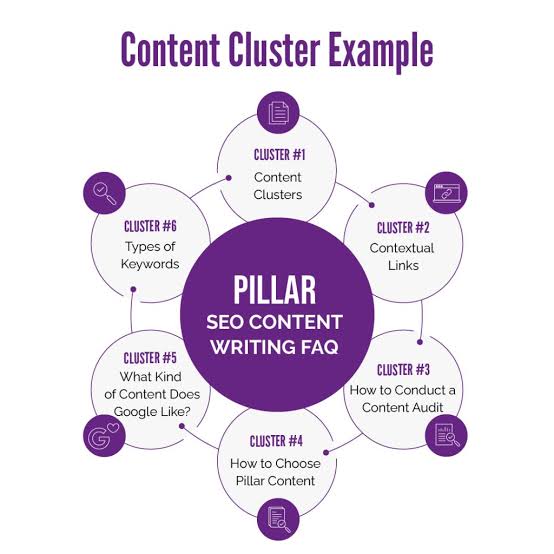
    Pillar Content: This is the main page covering a broad topic. It links to cluster content pages that go into more detail on specific subtopics.

    Cluster Content: These are the detailed pages that link back to the pillar content. They cover specific aspects of the broad topic in-depth.

    How to Create SEO Content Clusters

    Create High-Quality Pillar Content: Start with a main page that covers a broad topic. Make sure it is well-researched and valuable.

    Develop Cluster Content: Write detailed articles on subtopics related to the main topic. Link these articles back to the pillar content and each other.

    Internal Linking: Use internal links to connect all related content. This helps search engines understand the structure and value of your site.

    Use Keywords: Make sure to use relevant keywords in your content. This helps search engines understand what your content is about and rank it higher.

    Benefits of Using SEO Content Clusters

    Better Organization: Organizing content into clusters makes your site easier. To navigate for users and search engines.

    Improved User Experience: Users can find related content. Keeping them on your site longer and reducing bounce rates.

    Higher Rankings: Well-organized content clusters help improve your site’s ranking. On SERPs by showing search engines the value and depth of your content.

    Conclusion

    SEO Content Clusters are a vital part of SEO and can impact your website’s ranking and visibility. Understanding what SEO Content Clusters are and how to create them. They can help you improve your SEO strategy. Focus on creating valuable content and building relationships. With other websites to earn high-quality backlinks. Happy optimizing.

    Shop Now

    Follow us on Instagram and Facebook. For More Products Visit our Website

Follow by Email
Facebook
Instagram